
Discover Milas
An Eternal Heritage from Caria to Menteşe
An ancient city nestled at the foothills of Mount Sodra, home to history's most deep-rooted civilizations... Discover this unique legacy stretching from the sacred grounds of the Temple of Zeus Karios to the elegance of the Menteşeids. From the "Mylasa" of antiquity to the Milas of today, you are invited on a journey through every layer of history.
The Heart of Caria, The Capital of Menteşe
Mylasa, extending from the foothills of Mount Sodra towards the plain, traces back to the deepest roots of Anatolia with the "asa" suffix in its name. Located on the road descending from northeastern Caria to the sea, this ancient city was home to the Temple of Zeus Karios, the common center of worship for all Carians in antiquity, and the sacred road to Labranda.
Shining on the stage of history with its diplomacy and passion for freedom, Mylasa strengthened its power through the ties of "isopoliteia" (brotherhood and citizenship) established with neighboring cities. From Persian satraps to Roman emperors, from governors bearing the title "protector of the city" to the days when it was the noble capital of the Menteşe Beylik, it has succeeded in being a center of attraction in every era.
So much so that the famous traveler Ibn Battuta, in the 14th century, marvelled at the abundance of water and gardens in these lands, which he praised as "one of the most beautiful cities of the land of Rum." Turkish-Islamic monuments rising in the shadow of ancient columns and the elegance of the Menteşeids transform Milas into a veritable open-air museum. Get ready to witness this story of thousands of years carved in stone, extending from the heart of Caria to the present day.
Welcome to Milas
We invite you to discover this unique city where history, culture, and abundance meet.
History of Milas
Information about the rich history and development of Milas
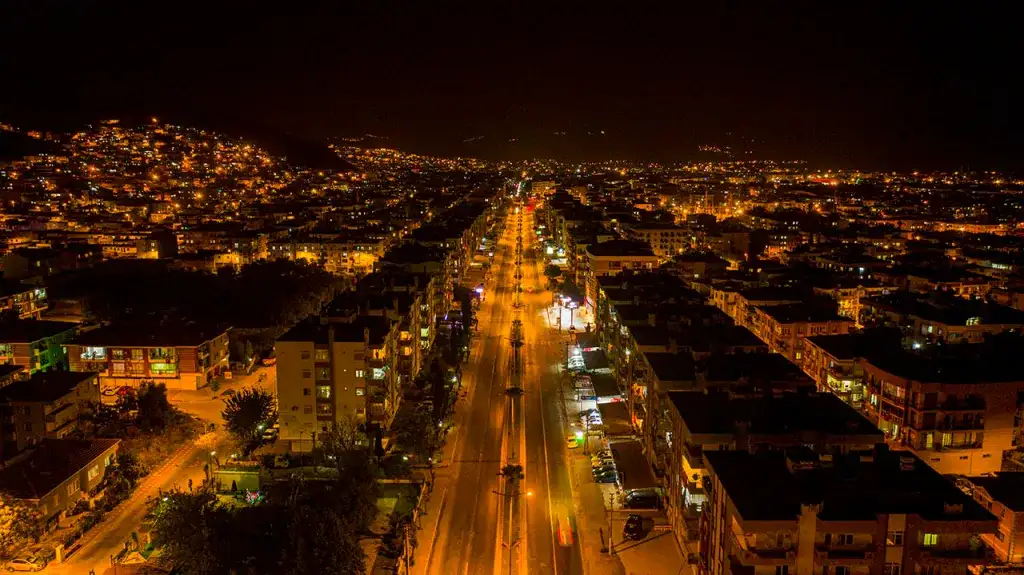
MYLASA / MİLAS
Mylasa, the capital of Western Caria and the religious center of the ancient world, is home to a deep-rooted heritage extending from the foothills of Mount Sodra to the present day. Discover Milas's journey through thousands of years of history, tracing the footsteps of civilizations from the Persians to the Romans, and from the Menteşeids to the Republic.
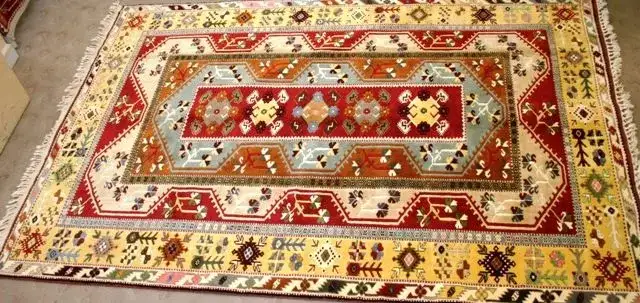
Milas Carpet
A traditional handicraft that developed with the settlement of Turks in the region from the 11th century and became an important export product during the Menteşe Principality period. Milas carpets are woven with 100% wool using the "Turkish knot" technique.
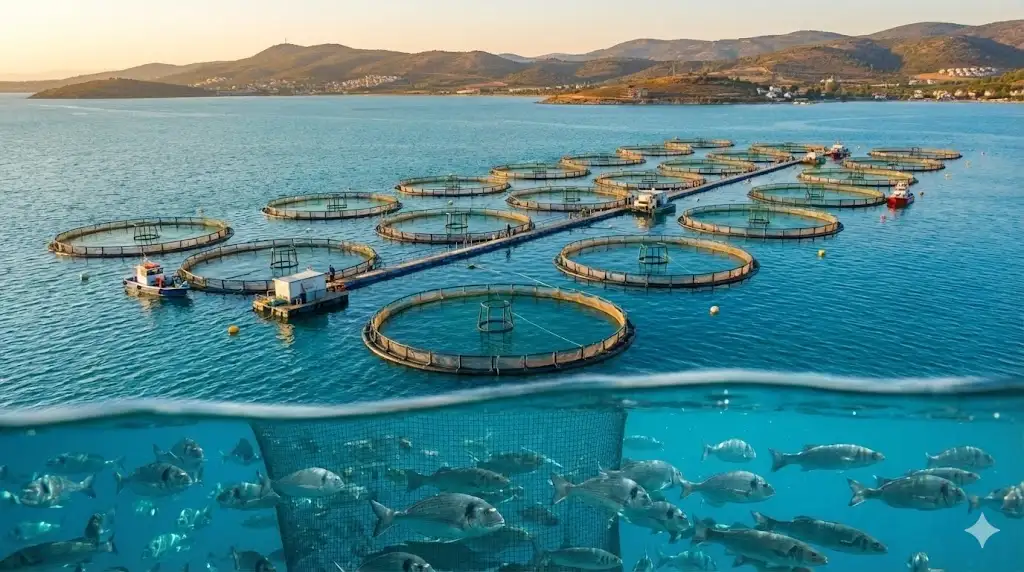
Fish Farming
Milas, where marine aquaculture first began in Turkey, is now the center of the most intensive production in Muğla. Production continues in floating systems at sea as well as land-based earth ponds.
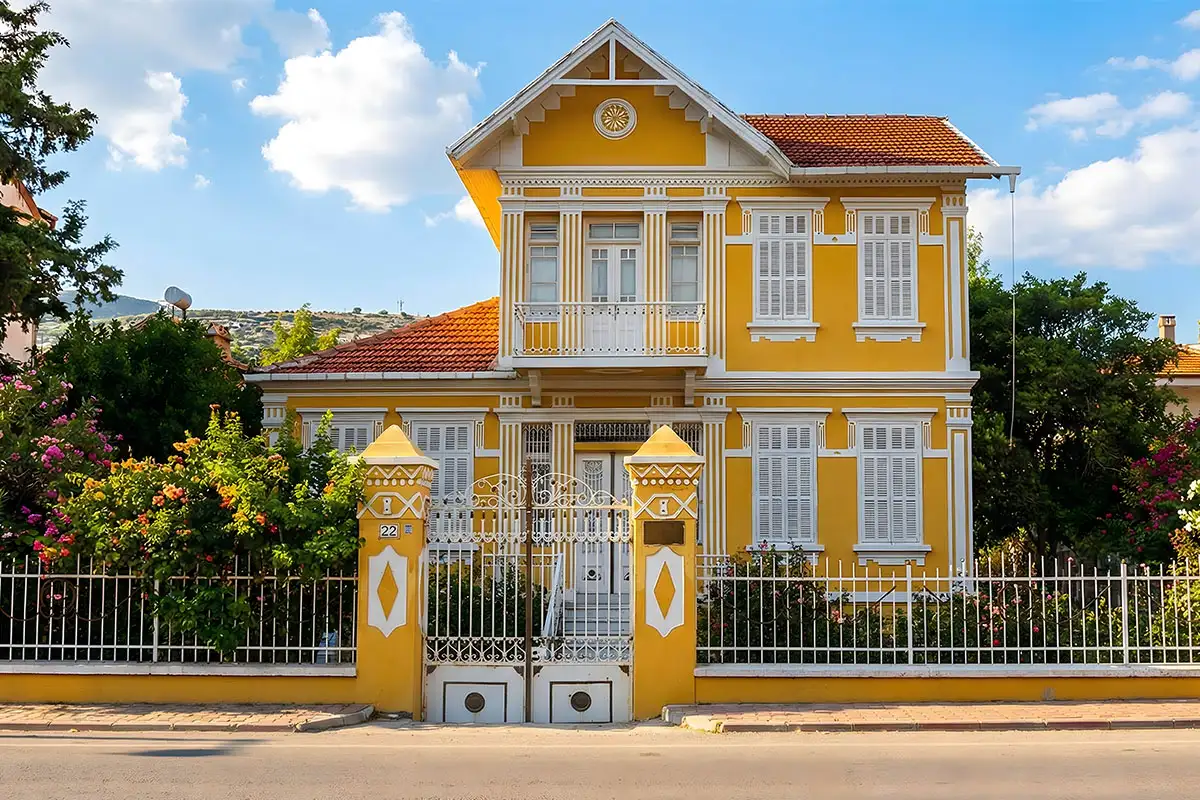
Historic Milas Houses
Distinguished examples of 19th-century civil architecture, Milas houses reflect typical Turkish house character with their courtyard plans, wooden-supported projections, and open halls called "önlük" (apron).
Our Historical Cities
Ancient cities and archaeological sites around Milas
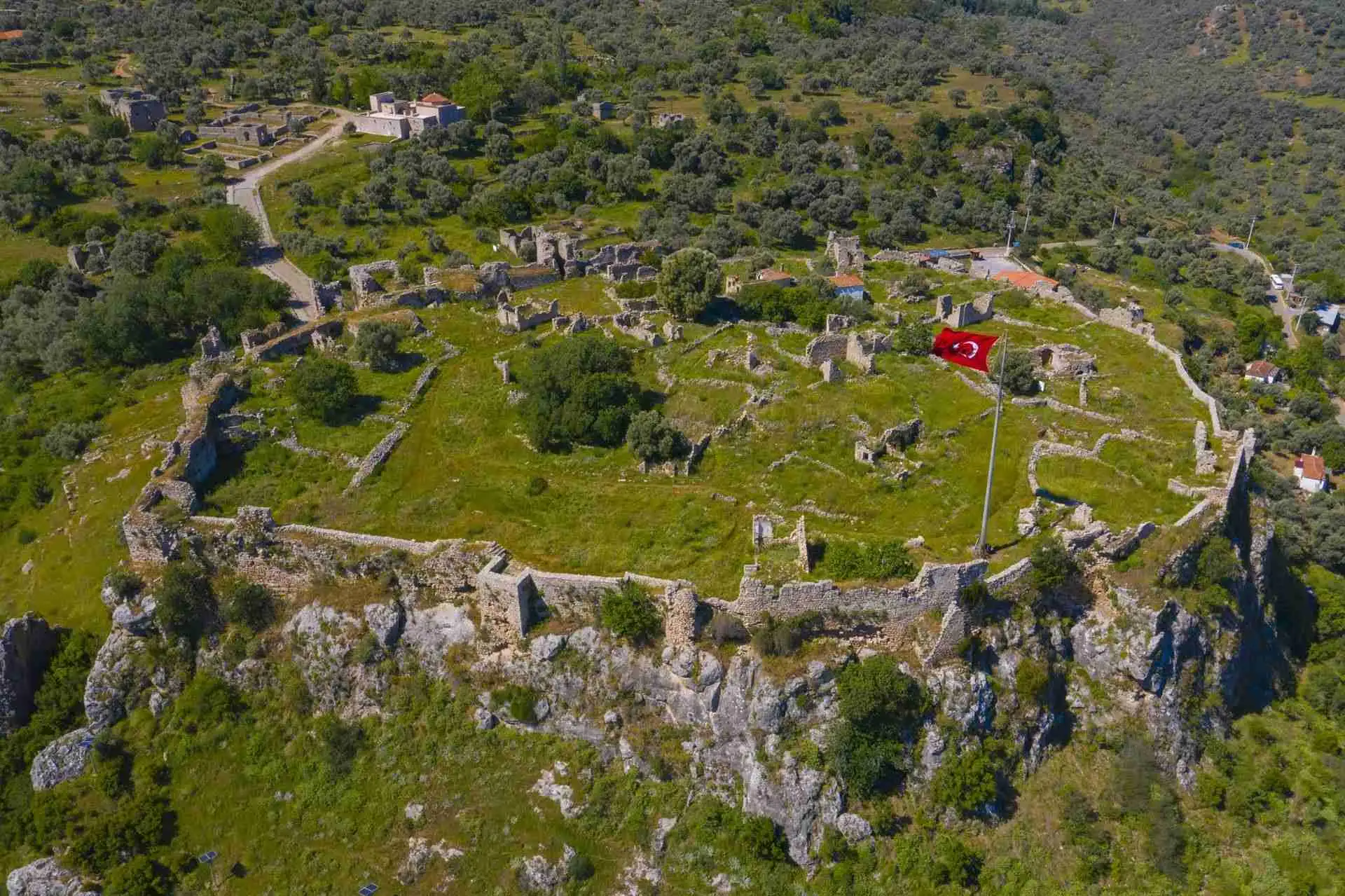
BEÇIN (Pezona, Peçin, Barçın)
A historic settlement rising on a plateau overlooking the Milas Plain, with roots dating back to the Bronze Age. The ancient site served as the capital of the Menteşeoğulları Principality in the 13th century.
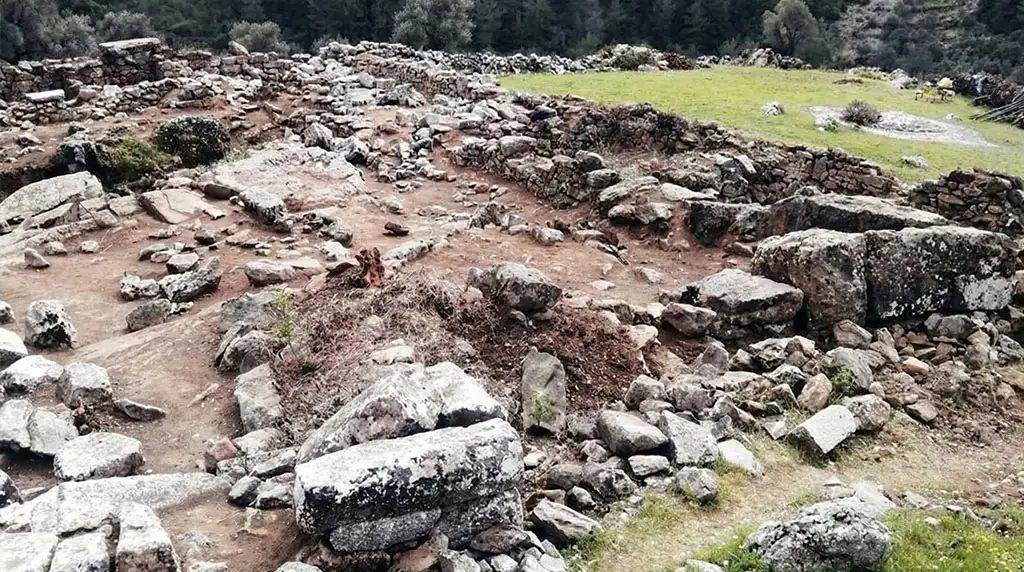
SINURI
A sanctuary built with red marble blocks in the Kalınağıl village of Milas, dedicated to the Carian god Sinuri. An important center of faith since the 4th century BC.
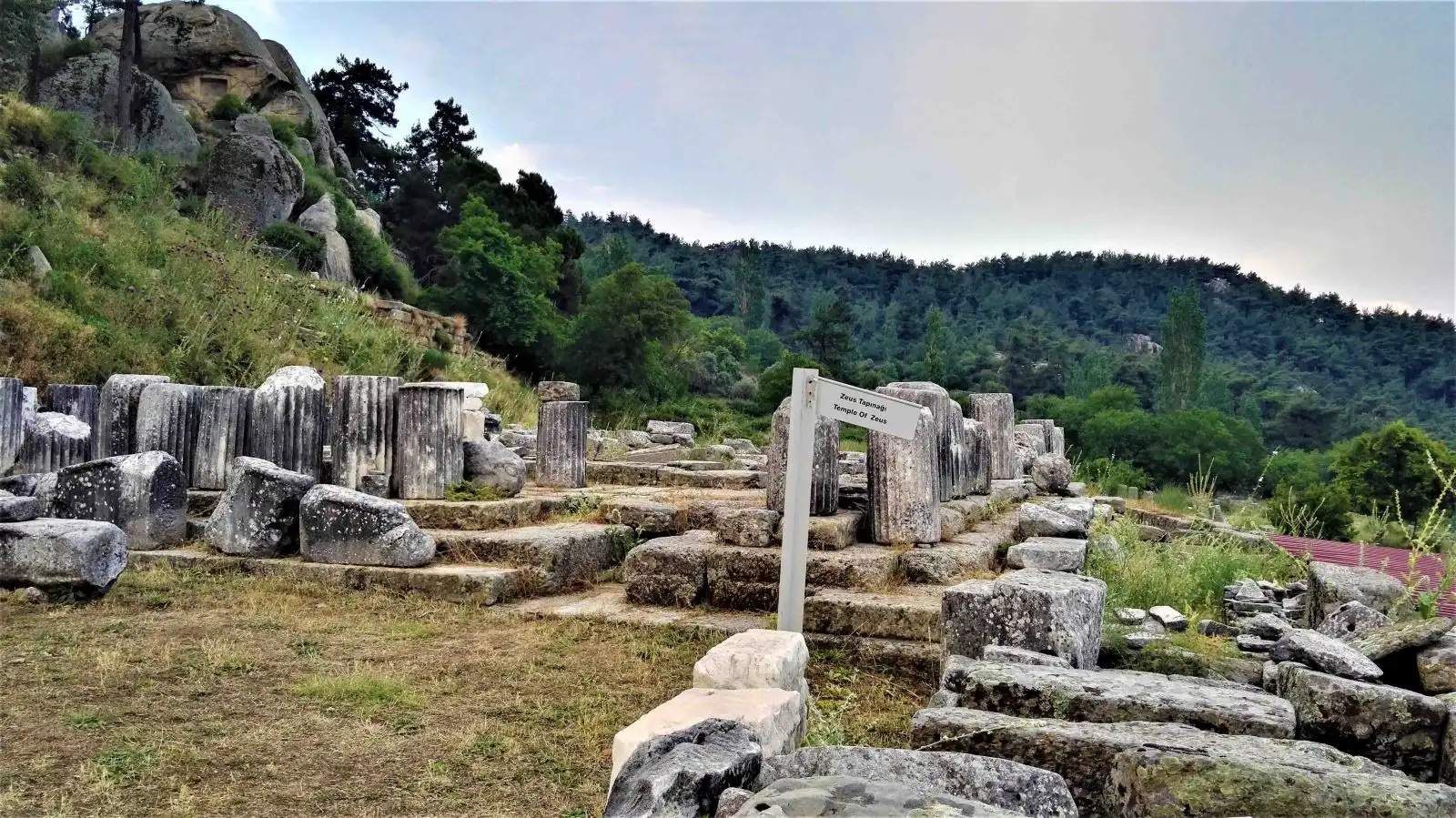
LABRANDA
The most important pilgrimage center of Carian civilization, situated in the mountains north of Milas among pine forests and water sources. Named after the double-headed axe (Labris) motif, connected to Mylasa by the "Sacred Road".
OLYMOS (Kafaca)
An ancient settlement located northwest of Milas, near Kafaca village. The city lost its independence in the 2nd century BC when it merged with Mylasa, known for its temples dedicated to Apollo and Artemisia.
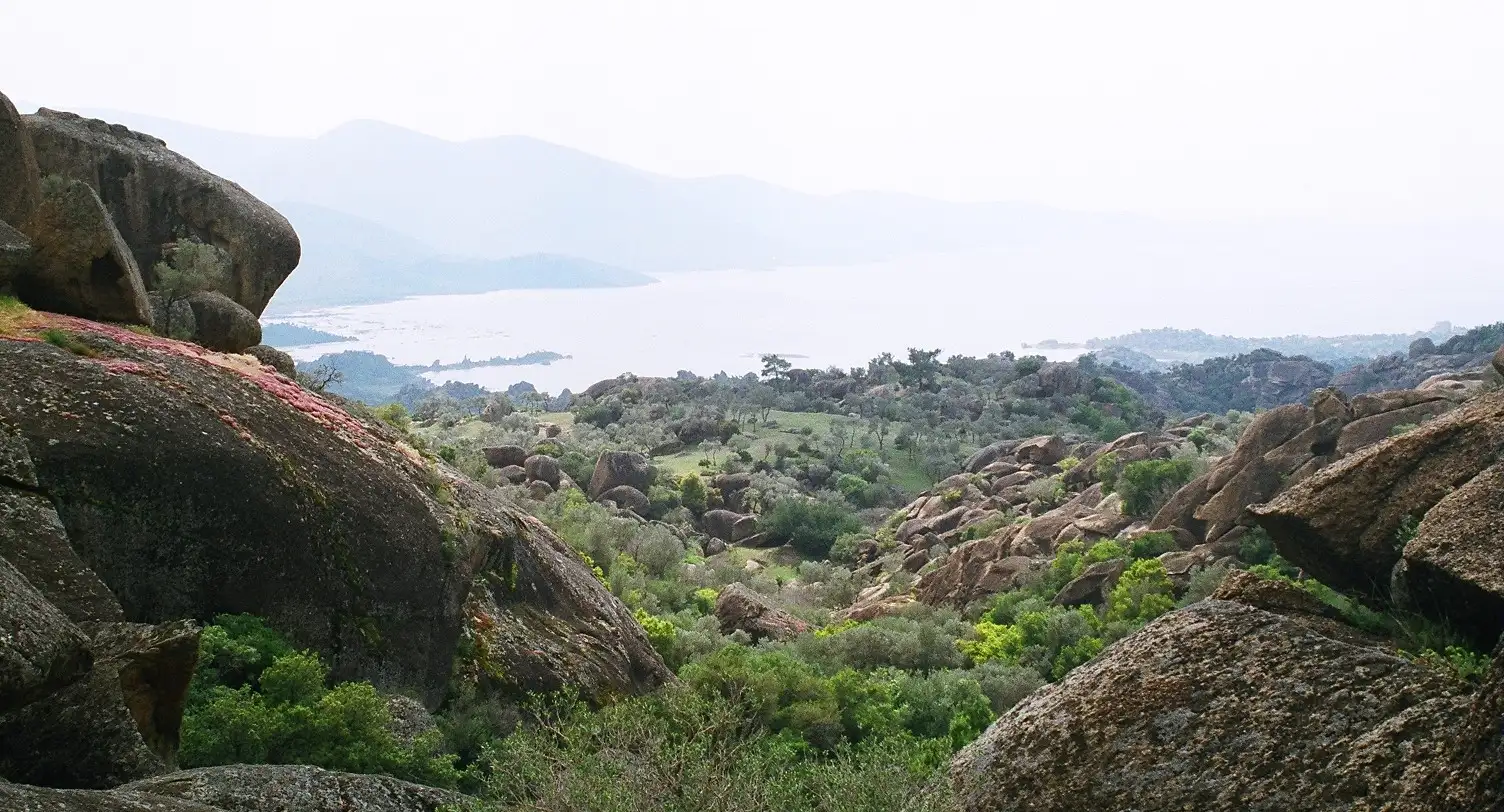
KHALKETOR (Karakuyu)
An ancient settlement founded at the foothills of Karakuyu Mountain, northwest of Milas, which became a member of the Attic-Delian League in the 5th century BC. Known for its strong defensive system with three different fortresses.
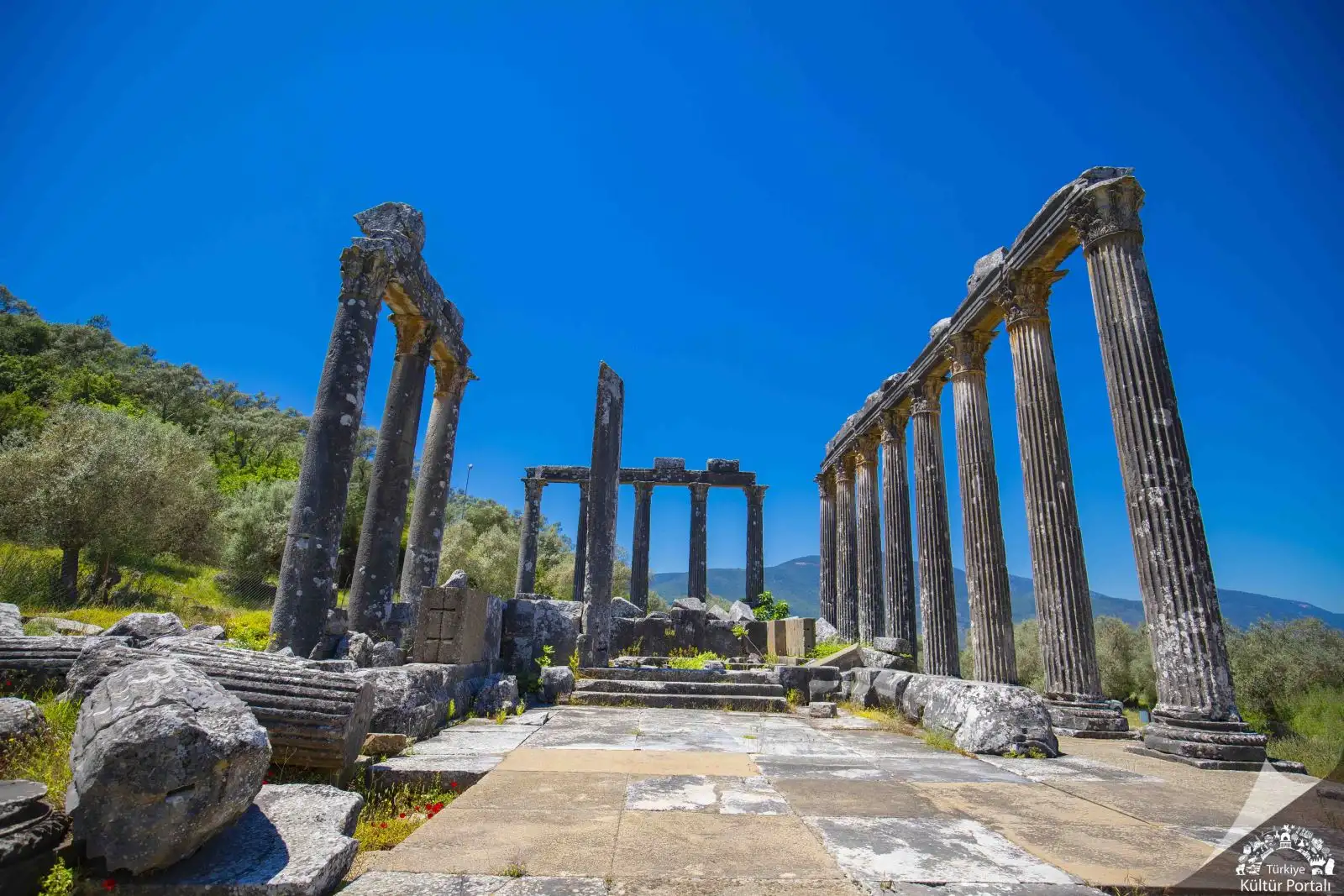
EUROMOS (Ayaklı)
An ancient city on the Milas-Selimiye road, locally known as "Ayaklı" due to its magnificent columns. Home to one of the best-preserved temples in Anatolia, dating from the Roman period.
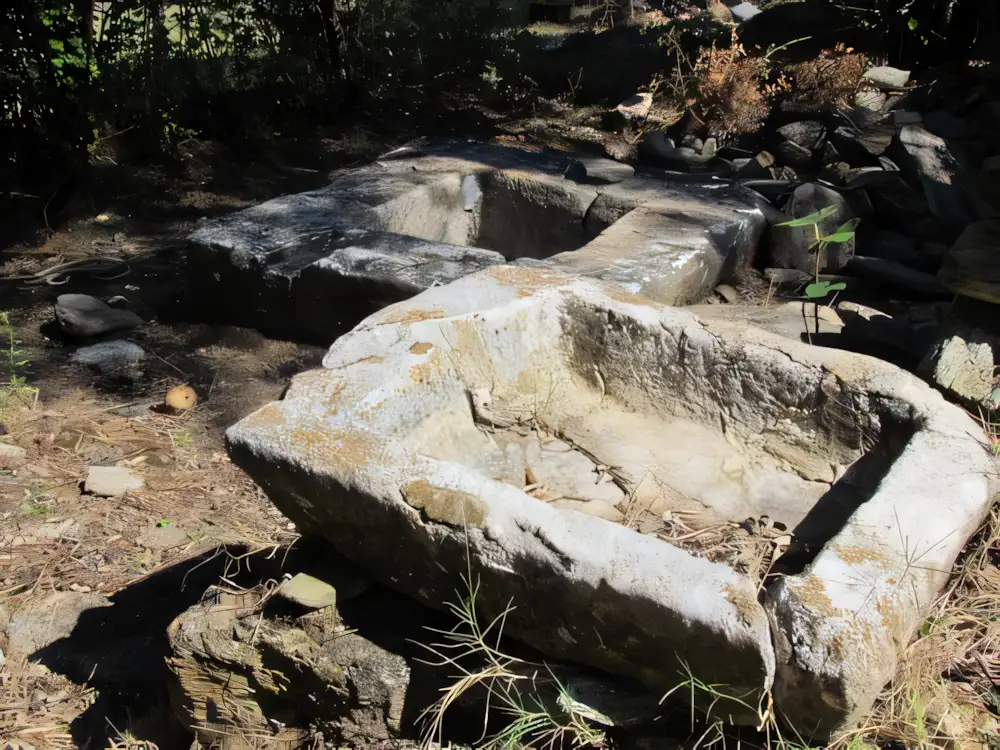
PIDASA
A small Carian city founded at the foothills of Ilbıra (Gorion) Mountain between Milas and Bafa. The settlement emerged in history through its role in the Ionian Revolt.
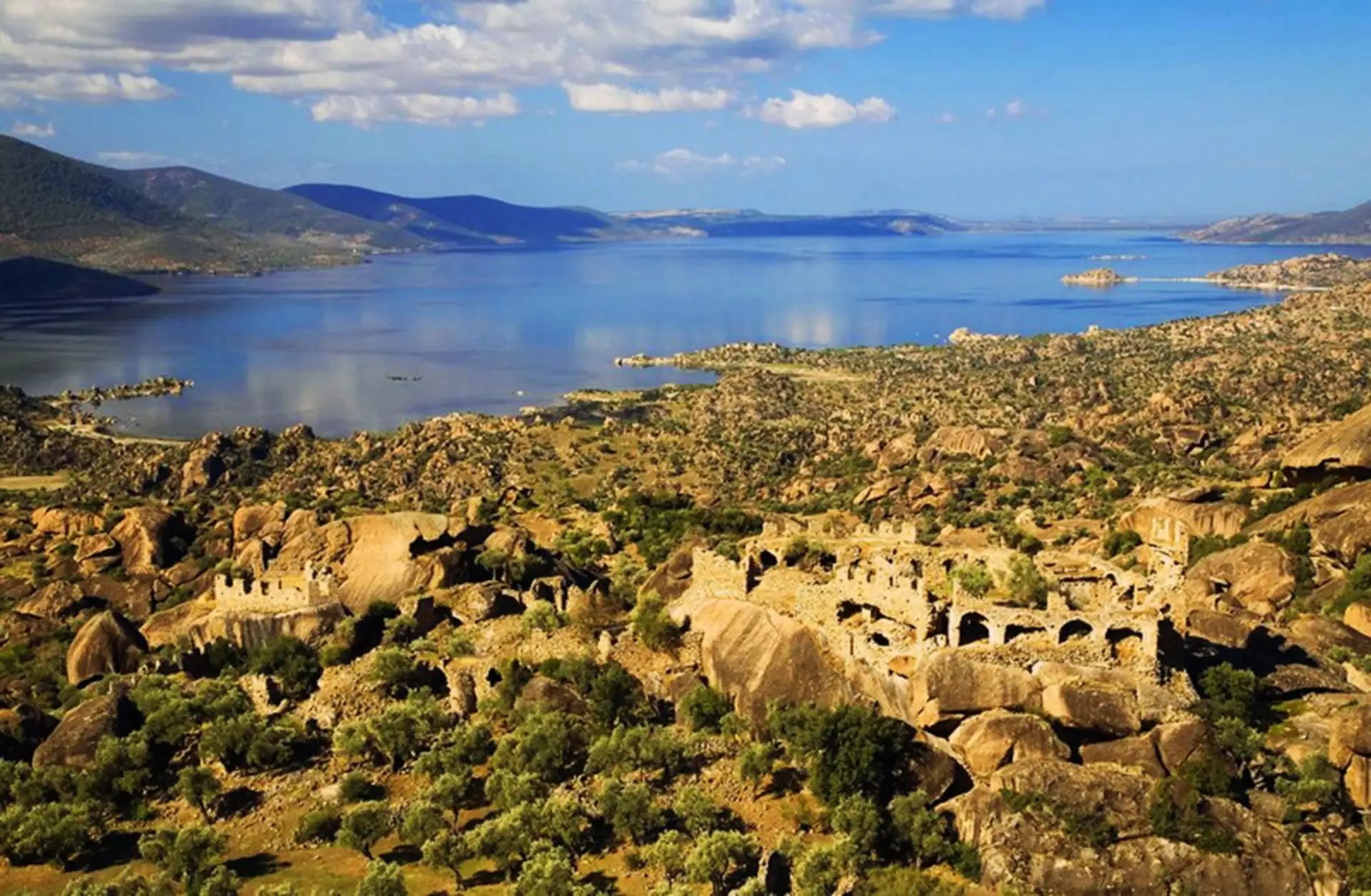
LATMOS – HERAKLEIA (Kapıkırı)
An ancient settlement on the shore of Lake Bafa (former Latmos Gulf), intertwined with the rugged cliffs of the Beşparmak Mountains. Its history extends from prehistoric rock paintings to the legendary myth of the shepherd Endymion.
HYDAI (Damlıboğaz)
An ancient city founded at the foothills of Karaoğlan Mountain, in present-day Damlıboğaz village, named after the Greek word for water (hydor). Known for its location by the Sarı Stream and temples dedicated to Apollo and Artemis.
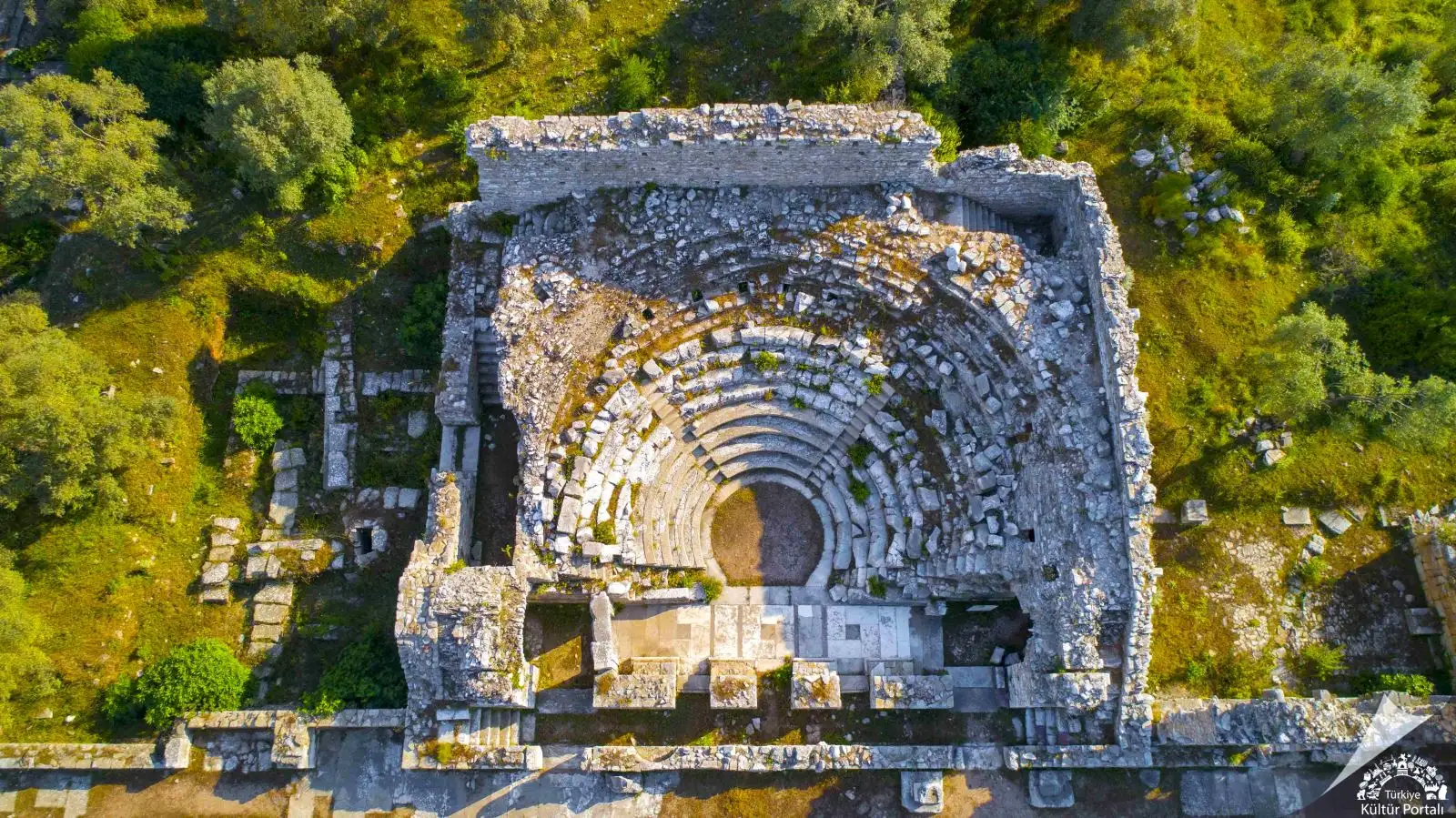
IASOS (Kıyıkışlacık)
A historic ancient city that was once an island but later became a peninsula, enriched through fishing and maritime trade. Founded by Argive immigrants, Iasos is known for its theater, agora complex, and public bathhouse.
PASSALA
Passala was the gateway from Mylasa to the sea at its closest point. Located on the eastern shore of the Güllük fish weir, featuring a square-planned watchtower built with roughly hewn marble blocks and loophole-style windows.
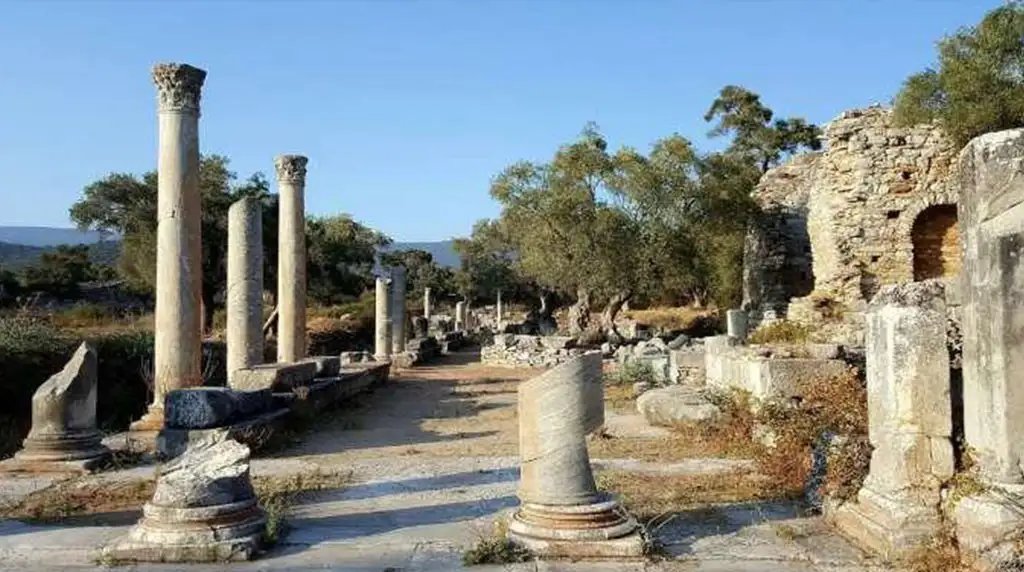
BARGYLIA
An ancient city located in a hidden position by the sea, on the shore of a lagoon in the Güllük (Mandalya) Gulf. Named after Bargylus, the friend killed by the winged horse Pegasus of the mythological hero Bellerophon.
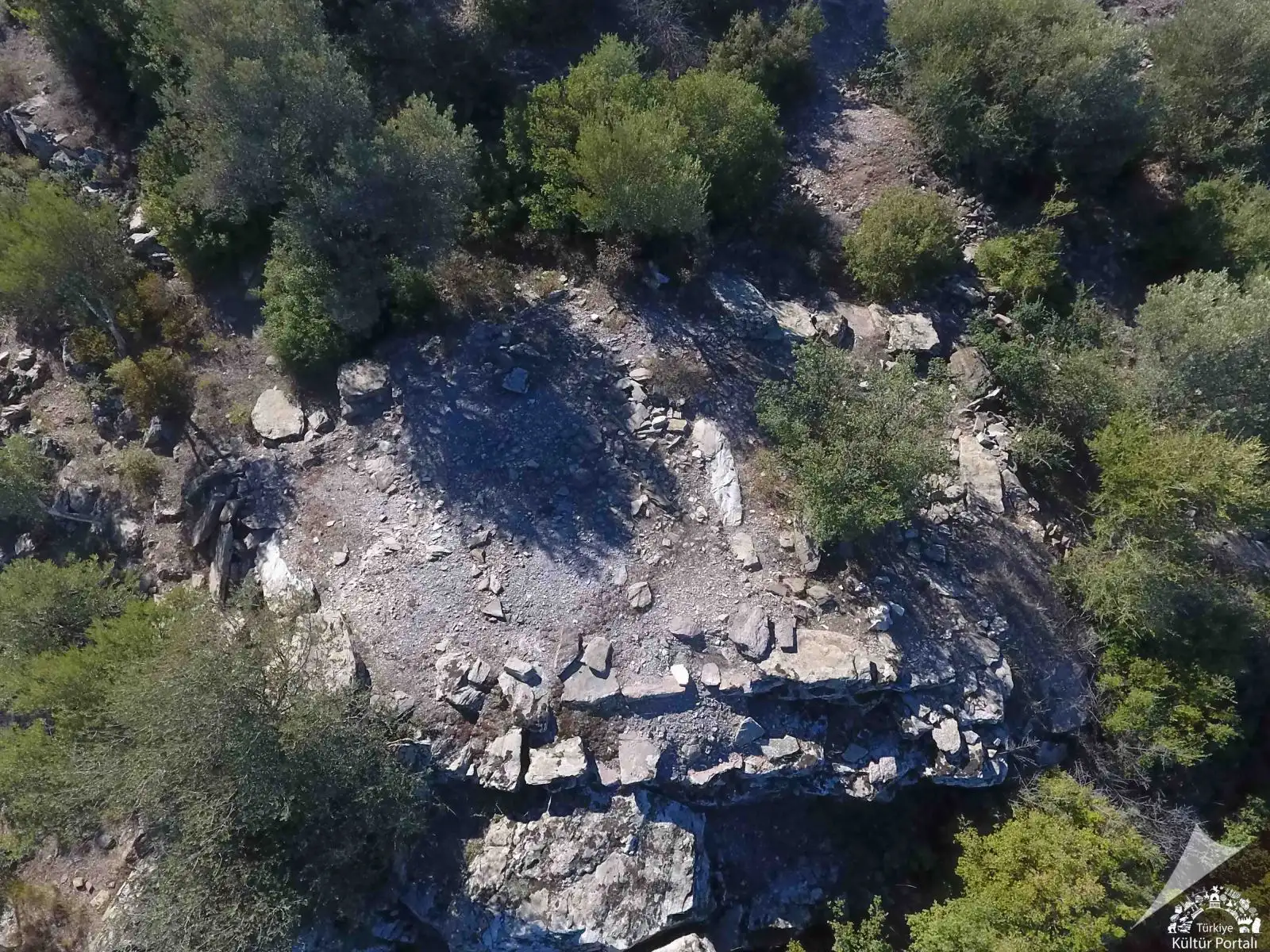
KINDYA
An ancient settlement near Kemikler village on Mount Kale, home to the temple of Artemis Kindyas, the chief goddess of Bargylia. One of the powerful cities in the region during the 5th century BC.
KILDARA (Kuzyaka)
A small ancient city between Bargylia and Hydisos, near present-day Kuzyaka village, which became a member of the Attic-Delian League in the 5th century BC. No above-ground remains survive from the city center today.
HYDISOS (Karacahisar)
An ancient settlement positioned on a twin-peaked hill east of Karacahisar village, whose chief deity was Zeus Areios, the "God of War". A member of the Attic-Delian League.
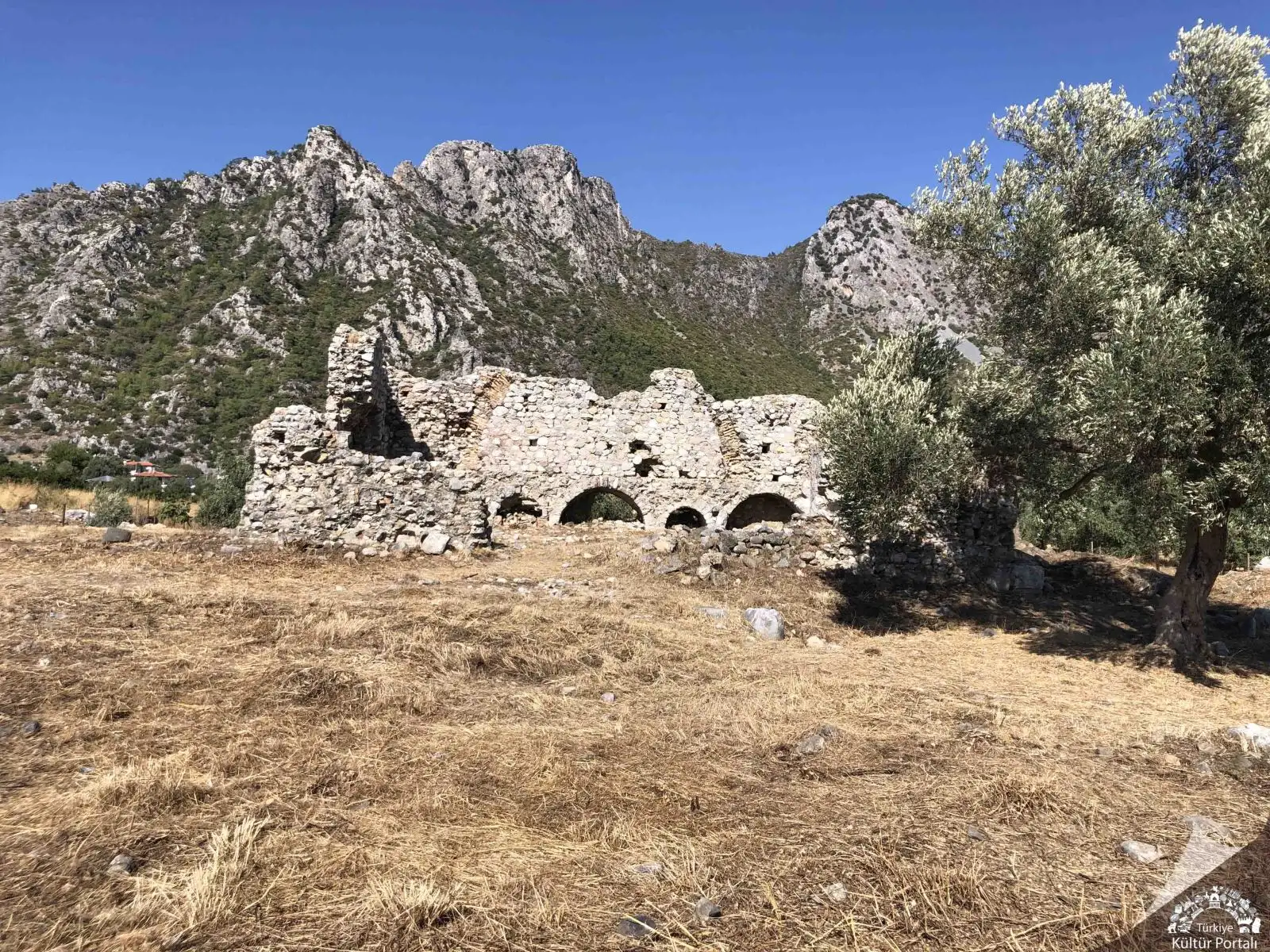
KERAMOS (Ören)
An ancient city on the northern shore of Gökova (Kerme) Gulf, in present-day Ören district, which gave the gulf its name. Known for its walls built with polygonal stones at the foothills of Meşekayası Mountain.
Towns
Coastal towns and holiday resorts connected to Milas
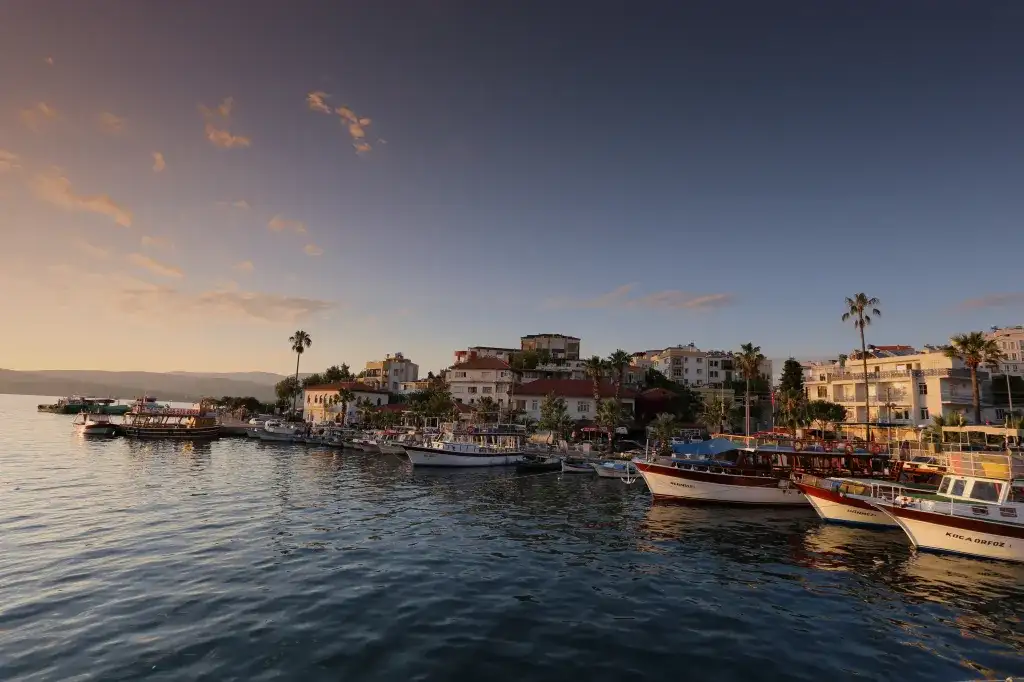
GÜLLÜK
The gateway of Milas to the sea and an important tourism district. The settlement, formerly known as "Küllük" and renamed in 1933, features immigrant culture from the population exchange period, historic stone buildings, and small bay beaches.
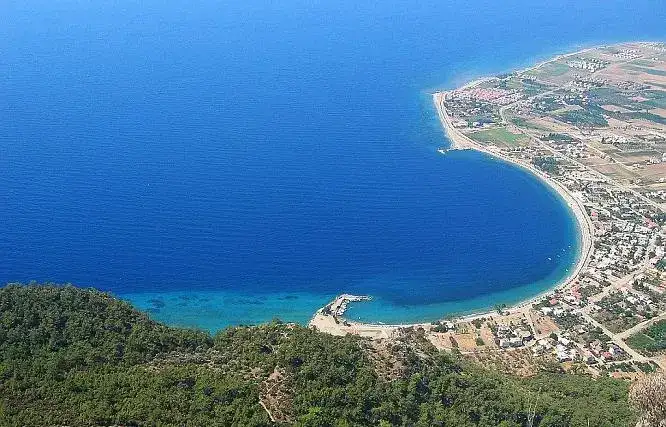
ÖREN
An important tourism district on the northern shore of Gökova Gulf, at the foothills of Kocadağ, with its ancient name derived from Keramos. Named after the mythological potter Keramos, the settlement combines modern tourism facilities with historical sites.
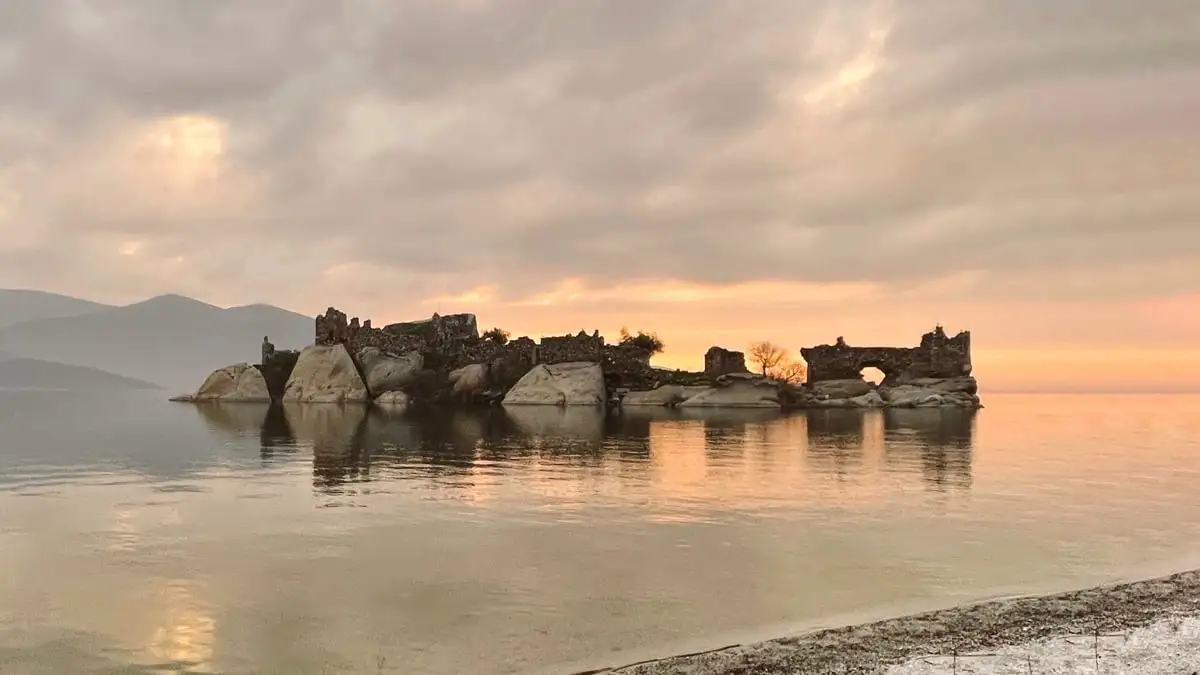
Bafa – Kapıkırı
A Carian city founded on the ancient Latmos Gulf shore, at the foothills of the Beşparmak (Latmos) Mountains, named after this mountain. Features magnificent walls with 65 towers and a grid-plan layout built during General Lysimachos' era.
Güvercinlik
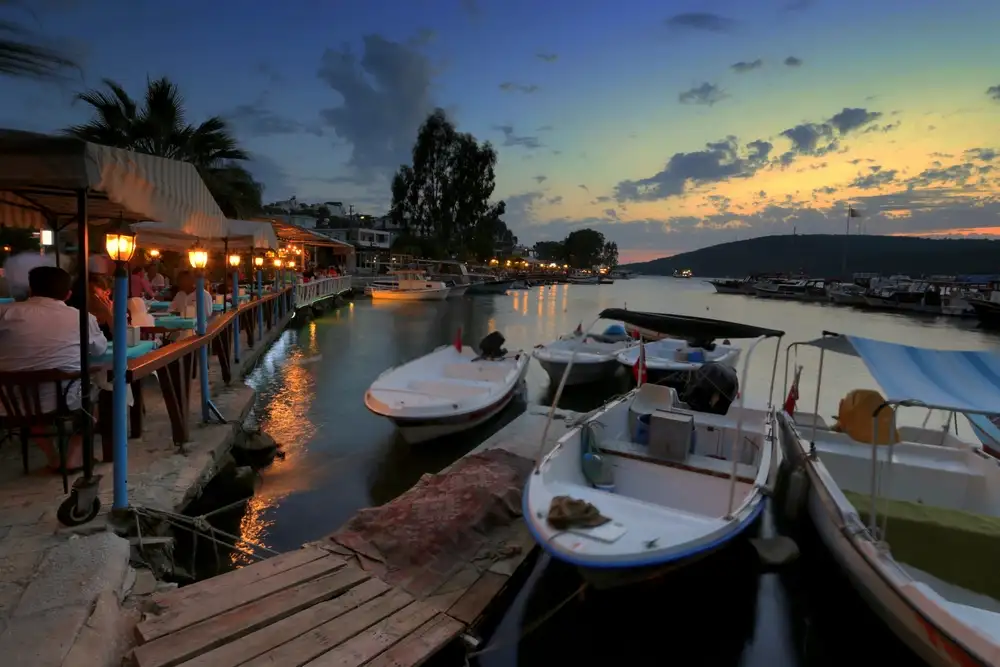
A charming coastal district at the first point where the sea is visible on the Bodrum road, welcoming visitors with the view of Salih Island. Thanks to its lake-calm sea and natural boundaries, it has preserved its quiet atmosphere.
Tuzla
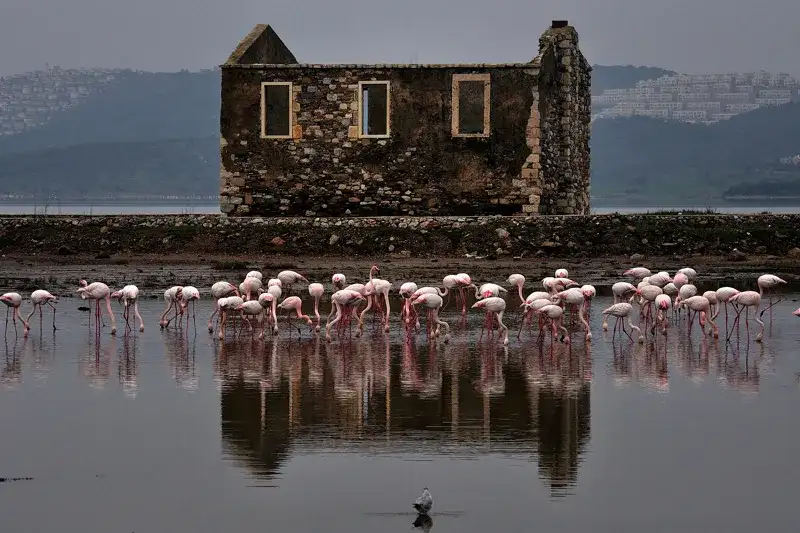
A coastal settlement with the ancient name Bargylia, known for its mythological past, where fishing and tourism intertwine. Today, the area is particularly known for the Tuzla Wetland, which hosts flamingos during winter months.
Bargylia
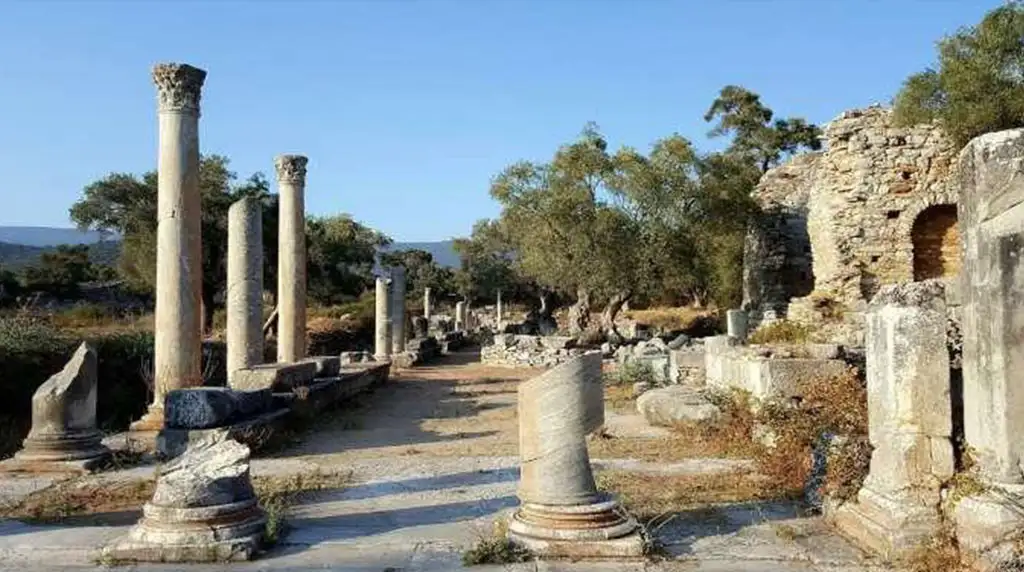
A coastal settlement with the ancient name Bargylia, known for its mythological past, where fishing and tourism intertwine. Today, the area is particularly known for the Tuzla Wetland, which hosts flamingos during winter months.
Historical Places
Historical sites in and around Milas
Uzunyuva Monumental Tomb
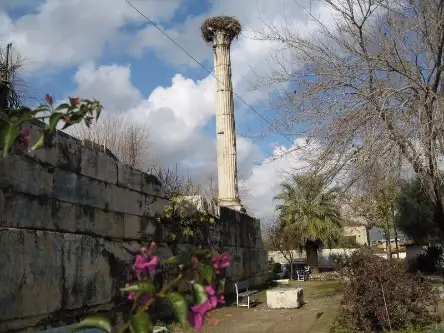
The monumental tomb of the Carian Satrap Hecatomnus, considered the "Discovery of the Century" in the world of archaeology. Dating back to the 4th century B.C., this site is the city's most important symbol with its famous column with a stork.
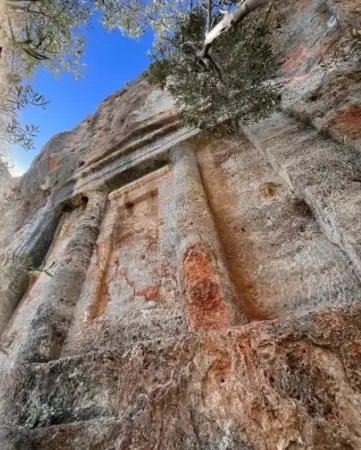
Berberini Monumental Tomb
Known locally as "Berberini," it is an impressive rock tomb carved into the cliffs behind the Milas city cemetery. The owner of the structure, which stands out with its elegant facade in the Doric order and nested burial chambers, is unknown.
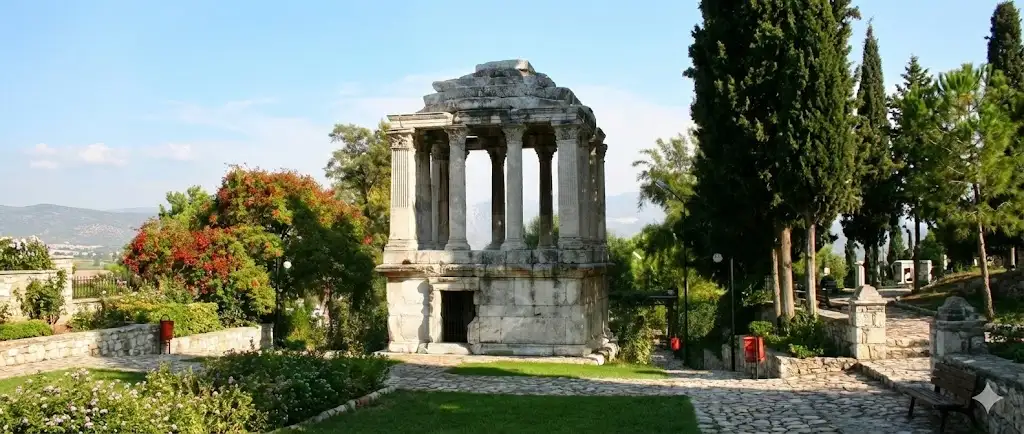
Gümüşkesen Monumental Tomb
One of the most impressive legacies of the Roman era, featuring elegantly crafted Sodra marble, a pyramidal roof, and unique architecture: The Gümüşkesen Monument. This masterpiece, surviving from the 1st century B.C. to the present day, opens the doors to the ancient world with its surrounding rock tombs and rich necropolis area.
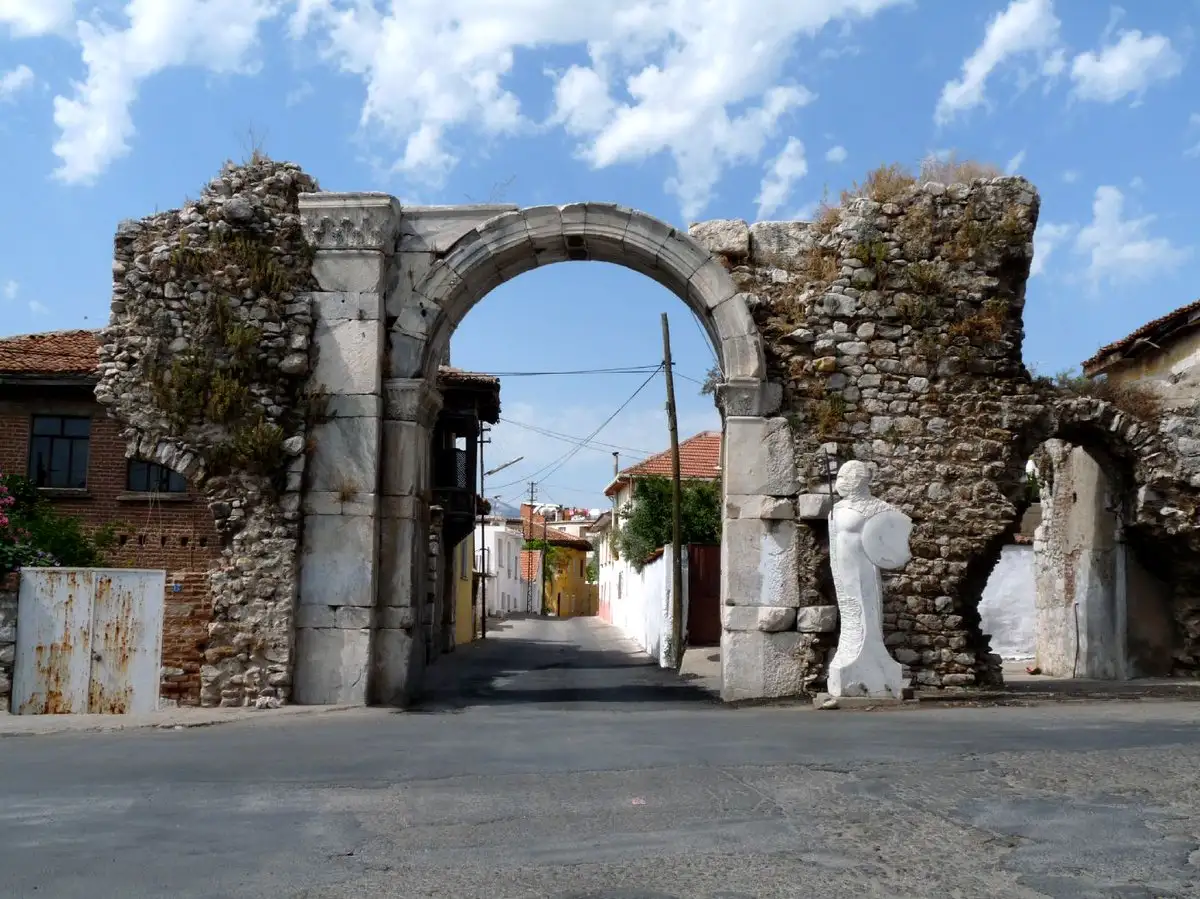
Baltali Gate
A magnificent monumental gate dating from the 1st century BC, marking the beginning of the marble-paved "sacred road" from Mylasa to Labranda. Named after the double-headed axe (Labrys) carved on its keystone, symbolizing Zeus.
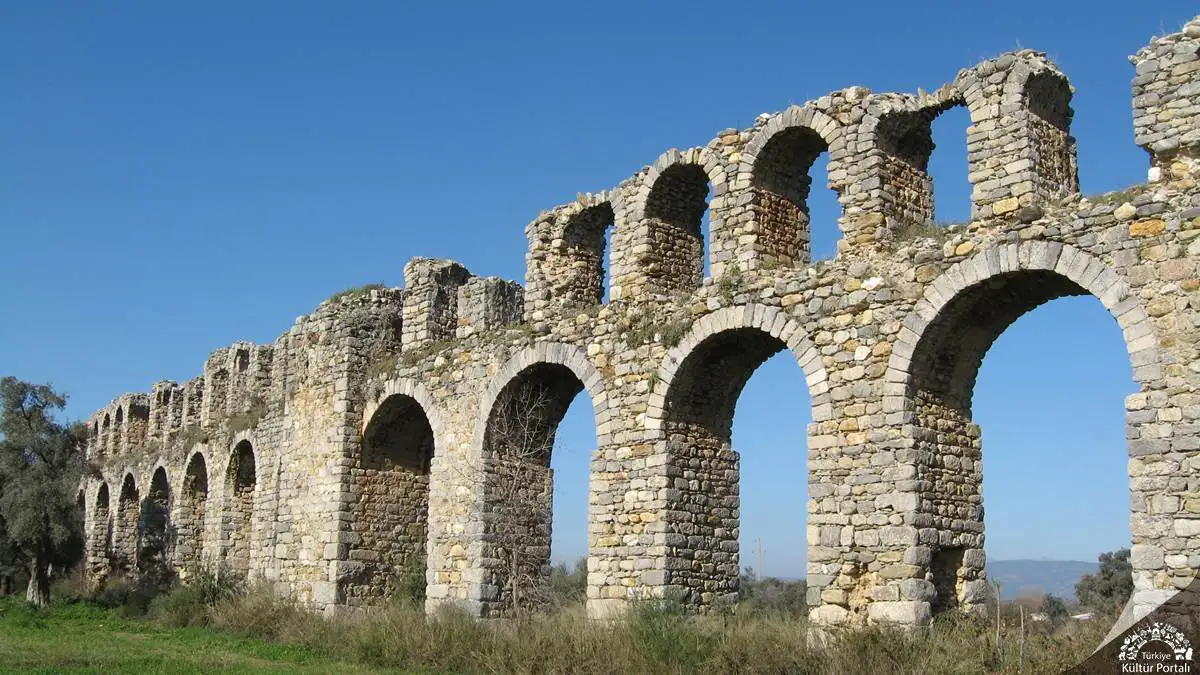
Aqueducts
A water channel with a double-tier arch system, built during the Roman Imperial period to bring water to the city from the mountains east of Milas. Ancient marble pieces were also used in its construction.

