

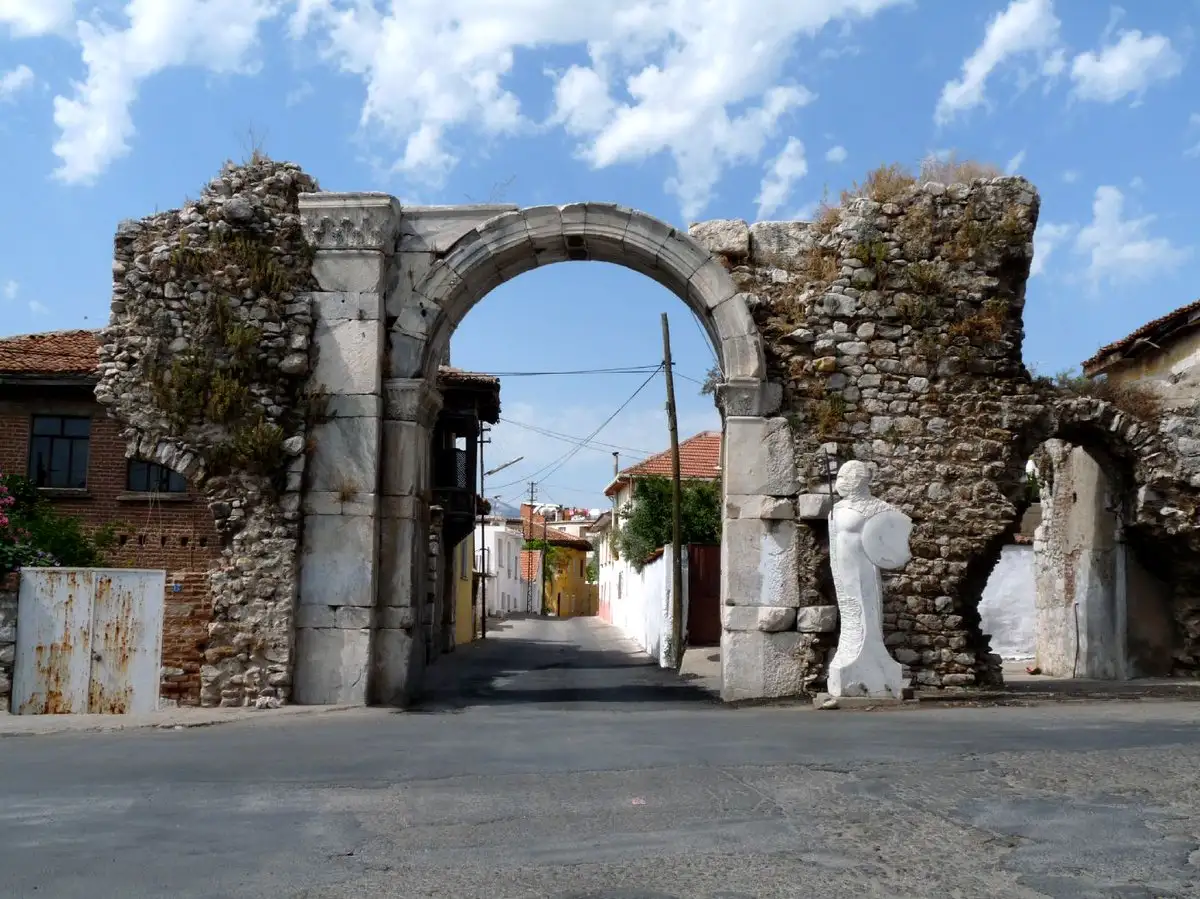
Baltali Gate
A magnificent monumental gate dating from the 1st century BC, marking the beginning of the marble-paved "sacred road" from Mylasa to Labranda. Named after the double-headed axe (Labrys) carved on its keystone, symbolizing Zeus.
A magnificent, monumental gate at the beginning of the marble-paved "sacred road" leading from Mylasa to Labranda, west of Esentepe (Topbaşı Hill). It takes its name from the double-headed axe on the keystone on the north-facing side of the gate's arch. The double-headed axe, called "Labris" in the Carian language, symbolizes Zeus, the chief god of the Carians. A human eye relief is carved on each side of the axe.
The gate arch is supported by two pillars with capitals decorated with a row of palmettes and a row of grooves. The cornice section above the arch, seen in drawings made by travelers in the 19th century, has collapsed. The Baltali Gate, 5.17 meters wide, must have been built at the end of the 1st century BC based on its construction style.
In the early Christian period, aqueducts bringing water from the mountains east of the city were connected to this gate. Lime layers remaining from the waters can still be seen on the arches adjacent to the gate.
Historical Places (4)
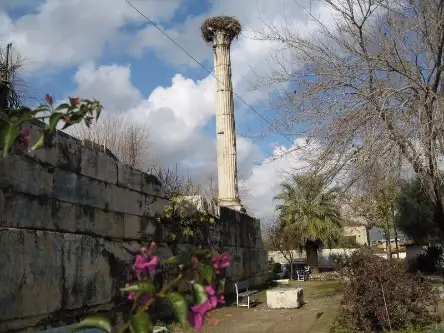
Uzunyuva Monumental Tomb
The monumental tomb of the Carian Satrap Hecatomnus, considered the "Discovery of the Century" in the world of archaeology. Dating back to the 4th century B.C., this site is the city's most important symbol with its famous column with a stork.
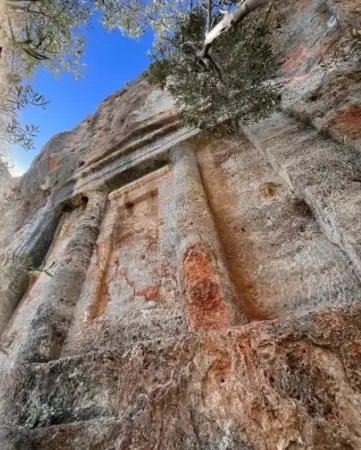
Berberini Monumental Tomb
Known locally as "Berberini," it is an impressive rock tomb carved into the cliffs behind the Milas city cemetery. The owner of the structure, which stands out with its elegant facade in the Doric order and nested burial chambers, is unknown.
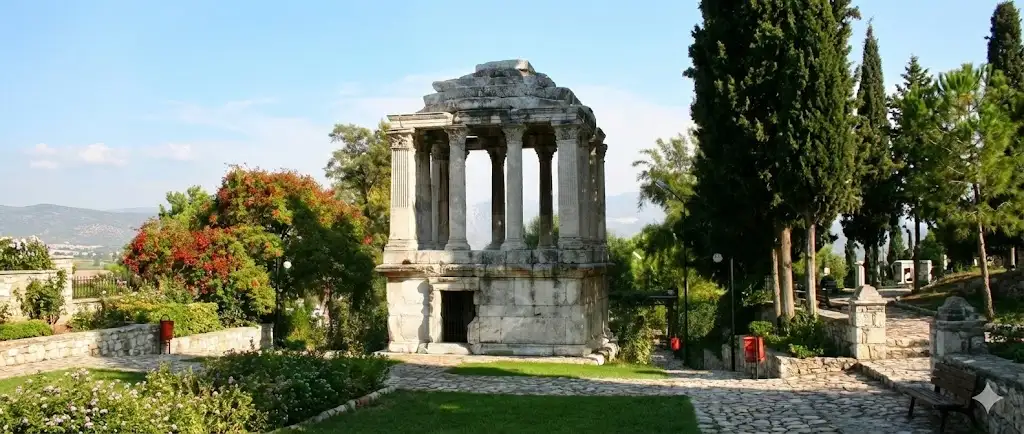
Gümüşkesen Monumental Tomb
One of the most impressive legacies of the Roman era, featuring elegantly crafted Sodra marble, a pyramidal roof, and unique architecture: The Gümüşkesen Monument. This masterpiece, surviving from the 1st century B.C. to the present day, opens the doors to the ancient world with its surrounding rock tombs and rich necropolis area.
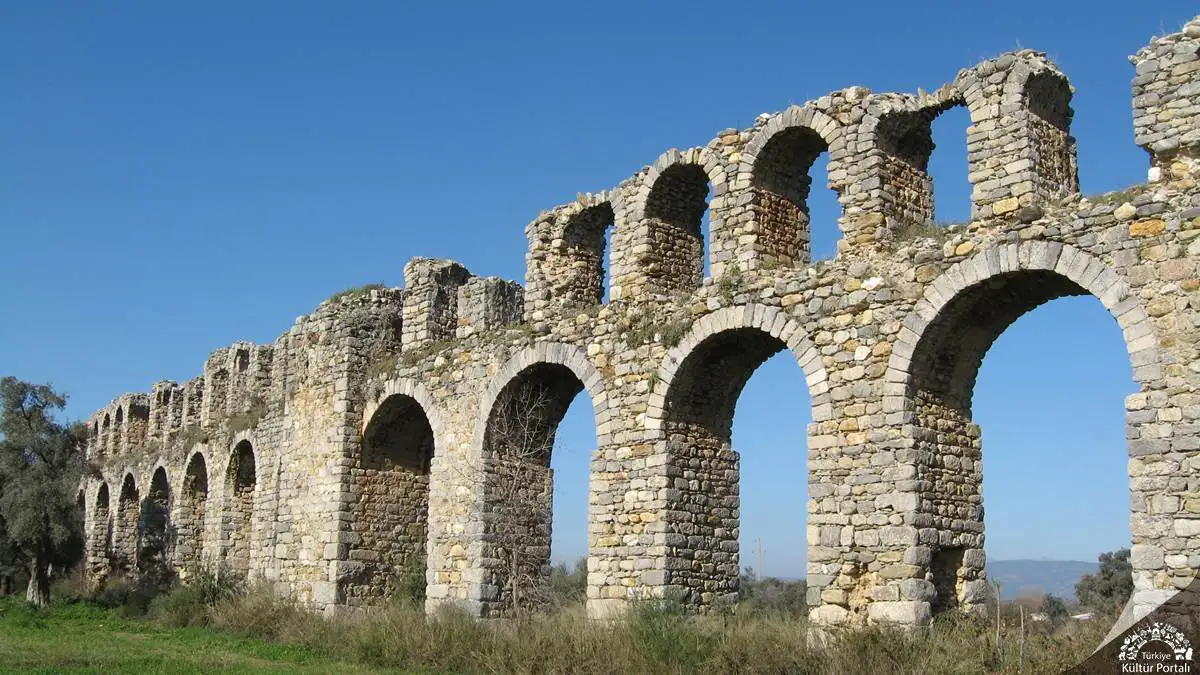
Aqueducts
A water channel with a double-tier arch system, built during the Roman Imperial period to bring water to the city from the mountains east of Milas. Ancient marble pieces were also used in its construction.

