SINURI
A sanctuary built with red marble blocks in the Kalınağıl village of Milas, dedicated to the Carian god Sinuri. An important center of faith since the 4th century BC.
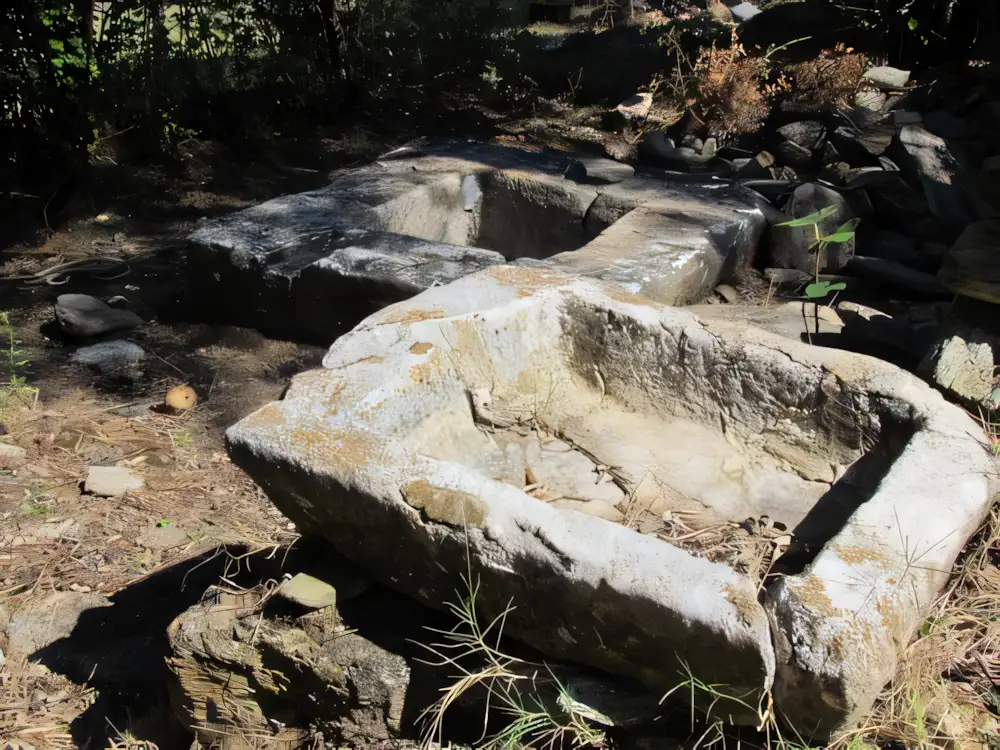
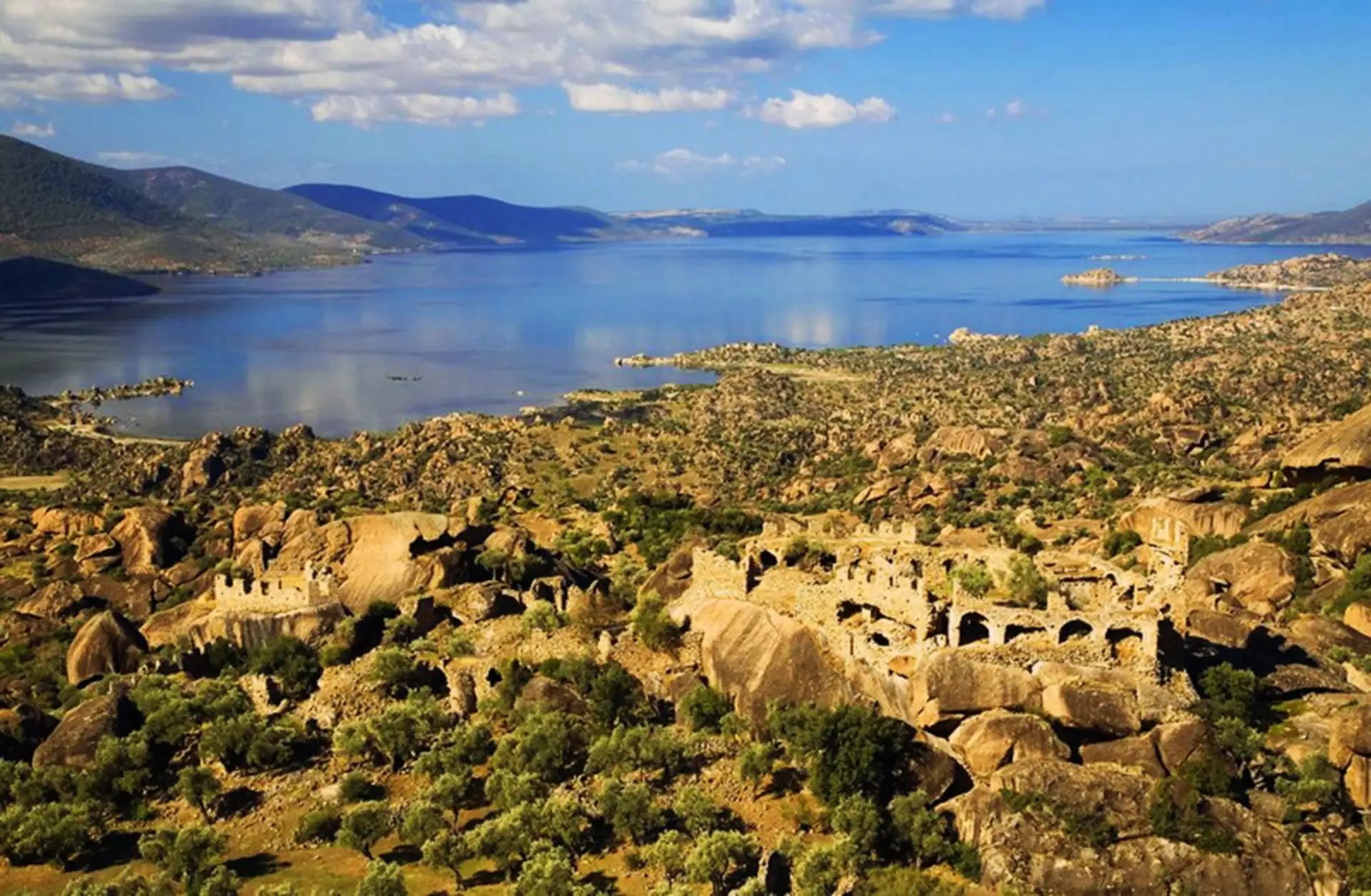
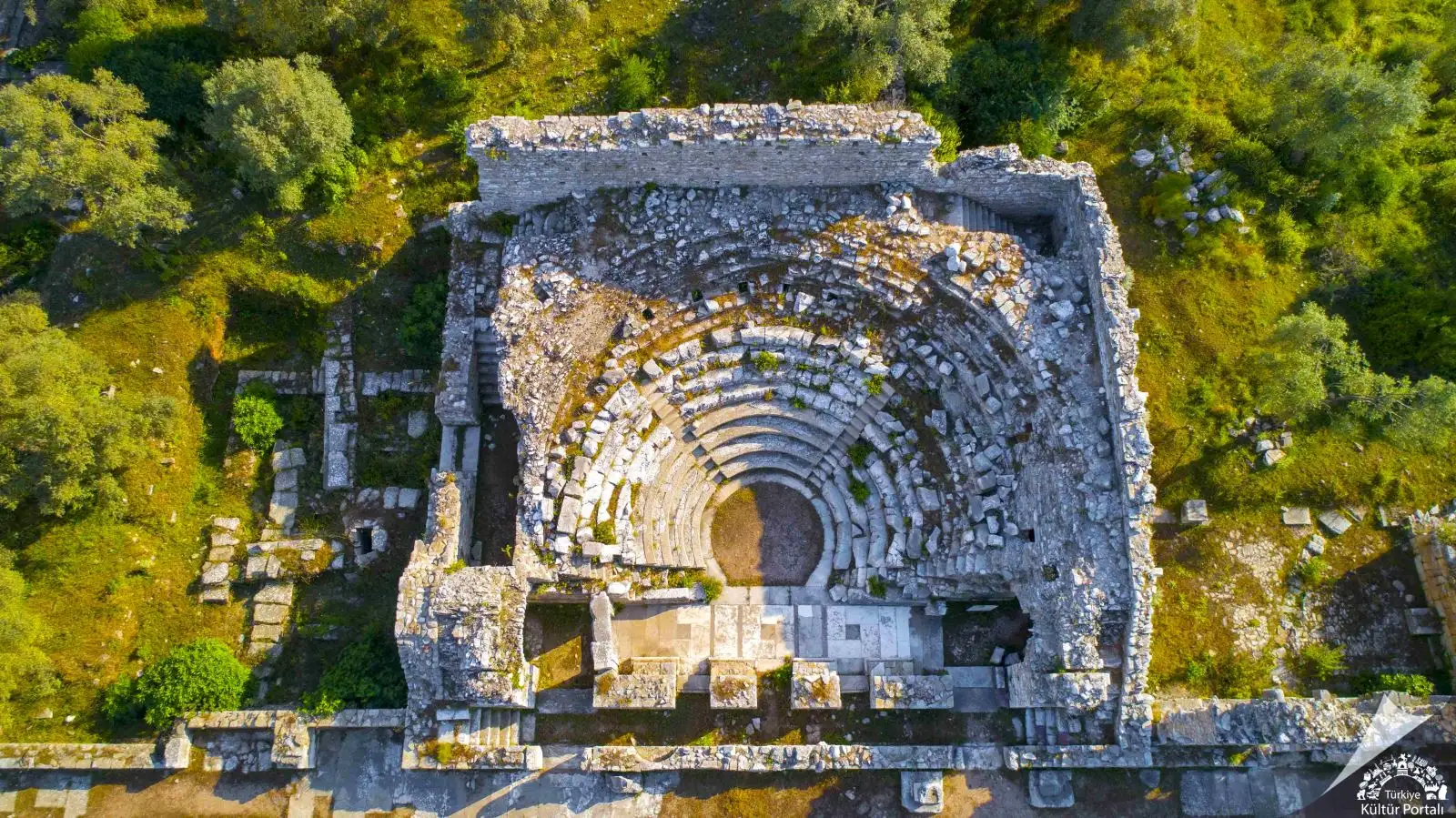
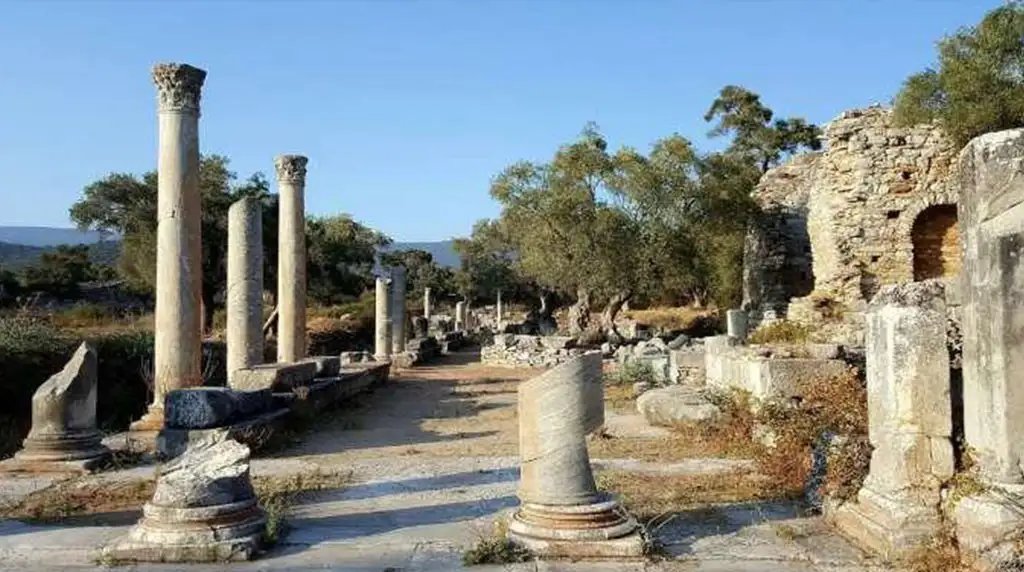
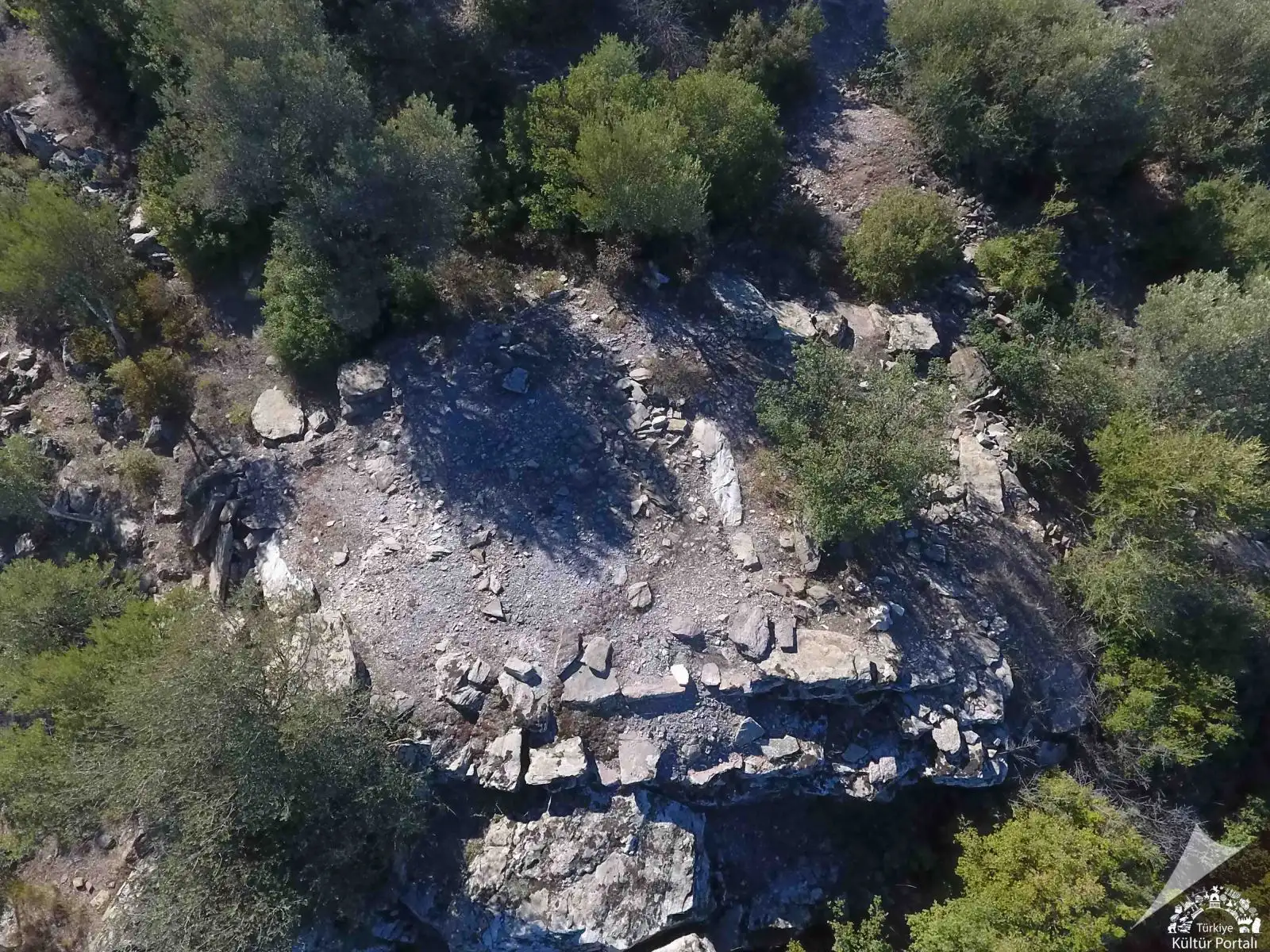
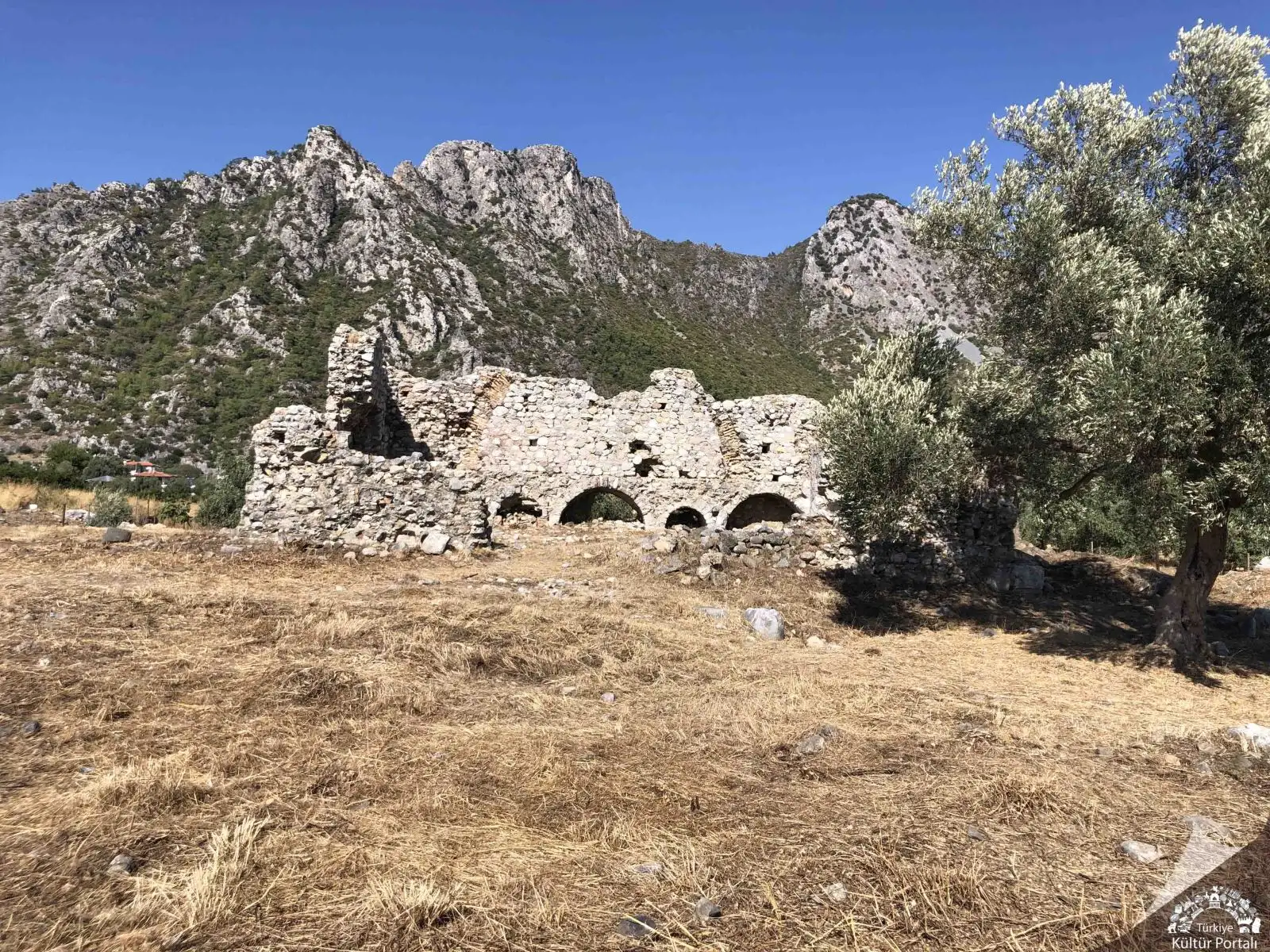
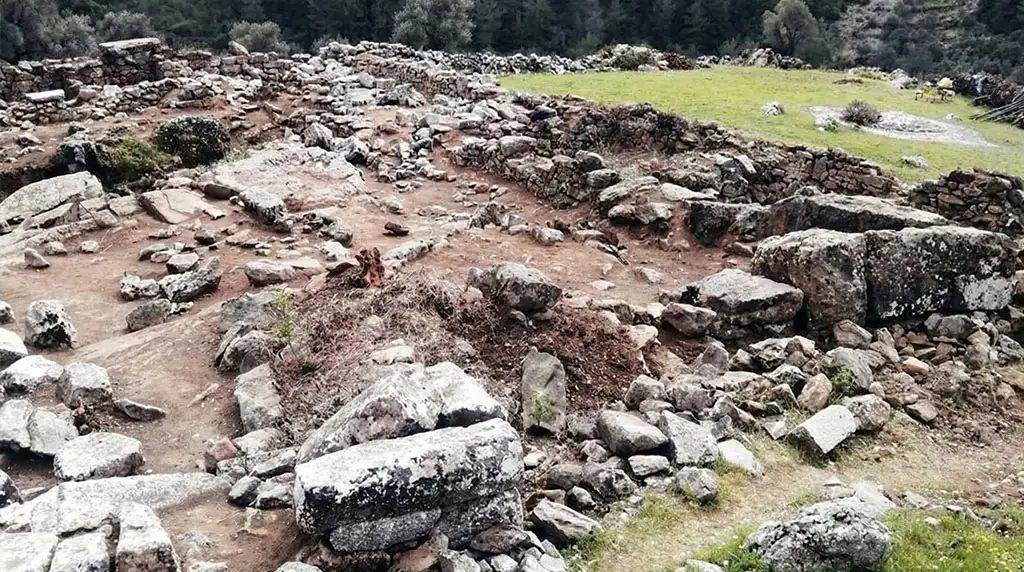
About 14 km southeast of Milas, in Kalınağıl village, there is a temple built with red marble. The temple was built in the name of Sinuri, who was considered "the god who preserves the name of the Carians." Next to the temple is a monumental tomb believed to belong to a priest family. There are two village ruins right next to and north of the temple on the acropolis hill. One of them was called Hiera Kome, meaning Sacred Village. In the place called Lower Kalınağıl, there is a rectangular-based tower made of red marble. Archaeological excavations were conducted in Sinuri's settlement and temple by French archaeologists in 1935.
Sinuri temple, like Labranda, was initially independent but was annexed to Mylasa in the 3rd or 2nd century BC. Sinuri priests were chosen to serve for life. Since the 4th century BC, the priesthood has remained in one family, passing from father to son or brother. In Sinuri, a great festival was held once a year and one or more oxen were sacrificed. The Sinuri deity was depicted holding a double-headed axe. An inscription states that the Carian Satrap Hekatomnos dedicated an altar to the temple. Sinuri was also worshipped in Myllarima besides Mylasa.
The Sinuri temple was converted into a church during the Christian period.
Our Historical Cities (15)
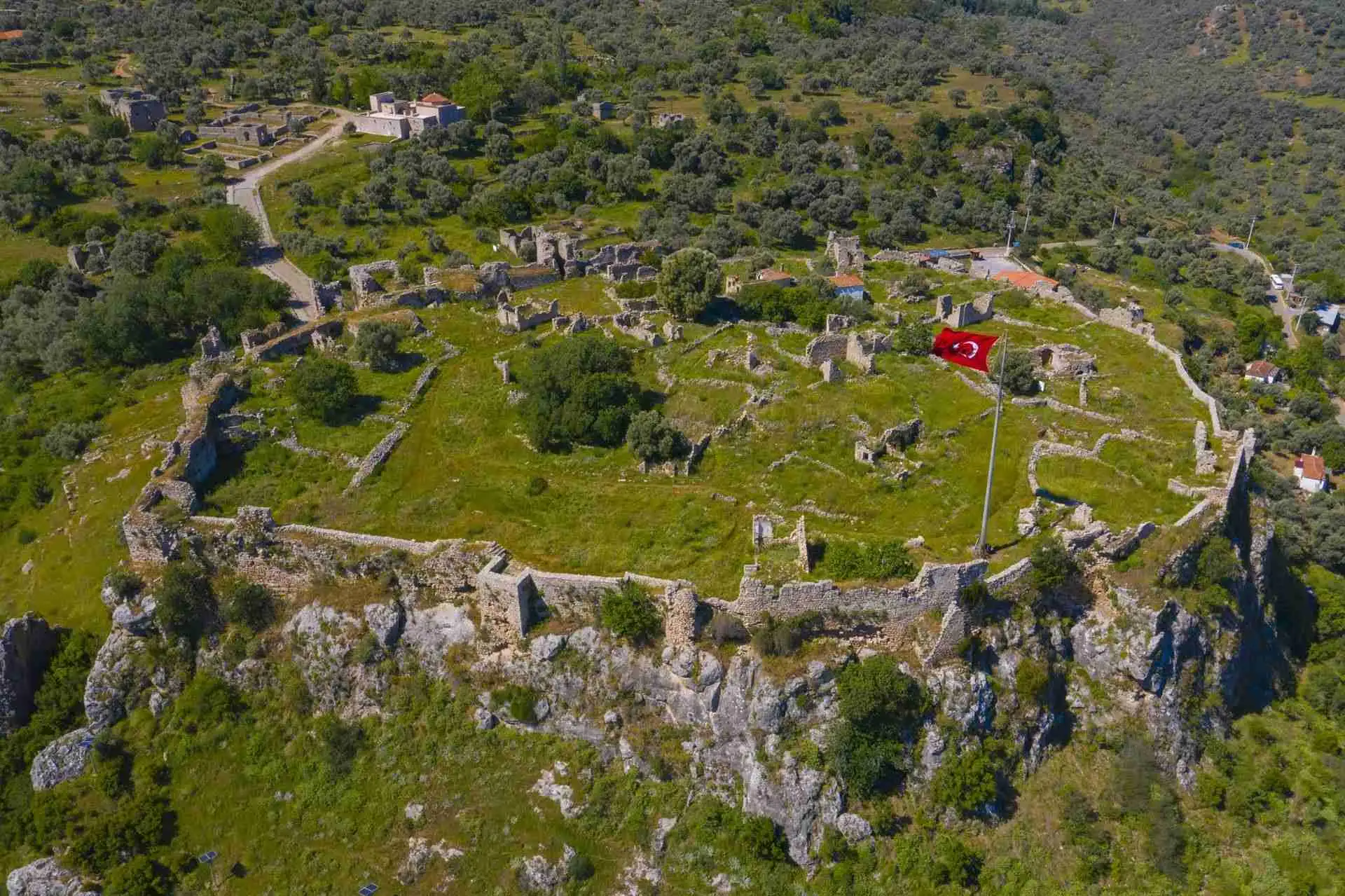
BEÇIN (Pezona, Peçin, Barçın)
A historic settlement rising on a plateau overlooking the Milas Plain, with roots dating back to the Bronze Age. The ancient site served as the capital of the Menteşeoğulları Principality in the 13th century.
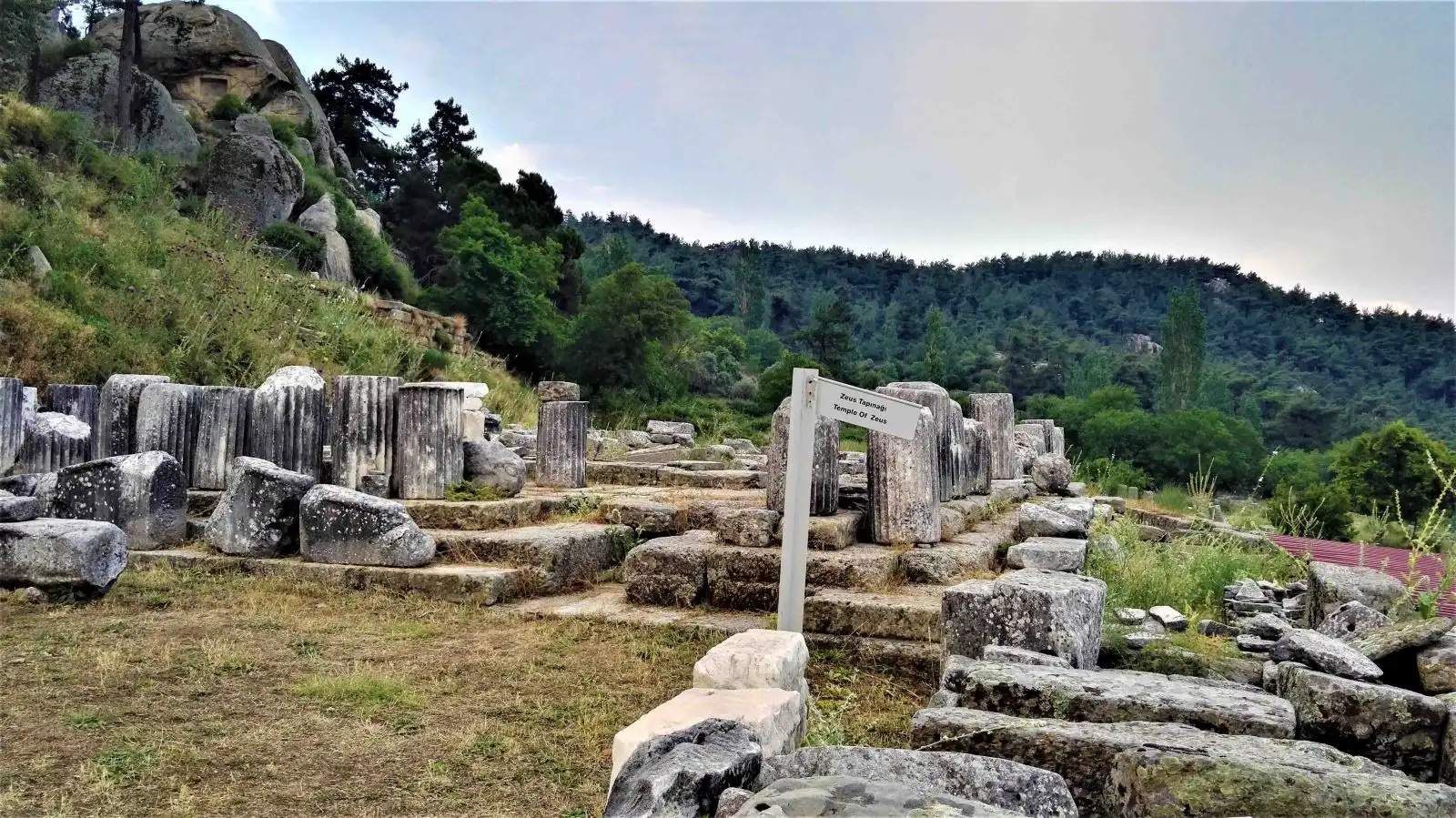
LABRANDA
The most important pilgrimage center of Carian civilization, situated in the mountains north of Milas among pine forests and water sources. Named after the double-headed axe (Labris) motif, connected to Mylasa by the "Sacred Road".
OLYMOS (Kafaca)
An ancient settlement located northwest of Milas, near Kafaca village. The city lost its independence in the 2nd century BC when it merged with Mylasa, known for its temples dedicated to Apollo and Artemisia.
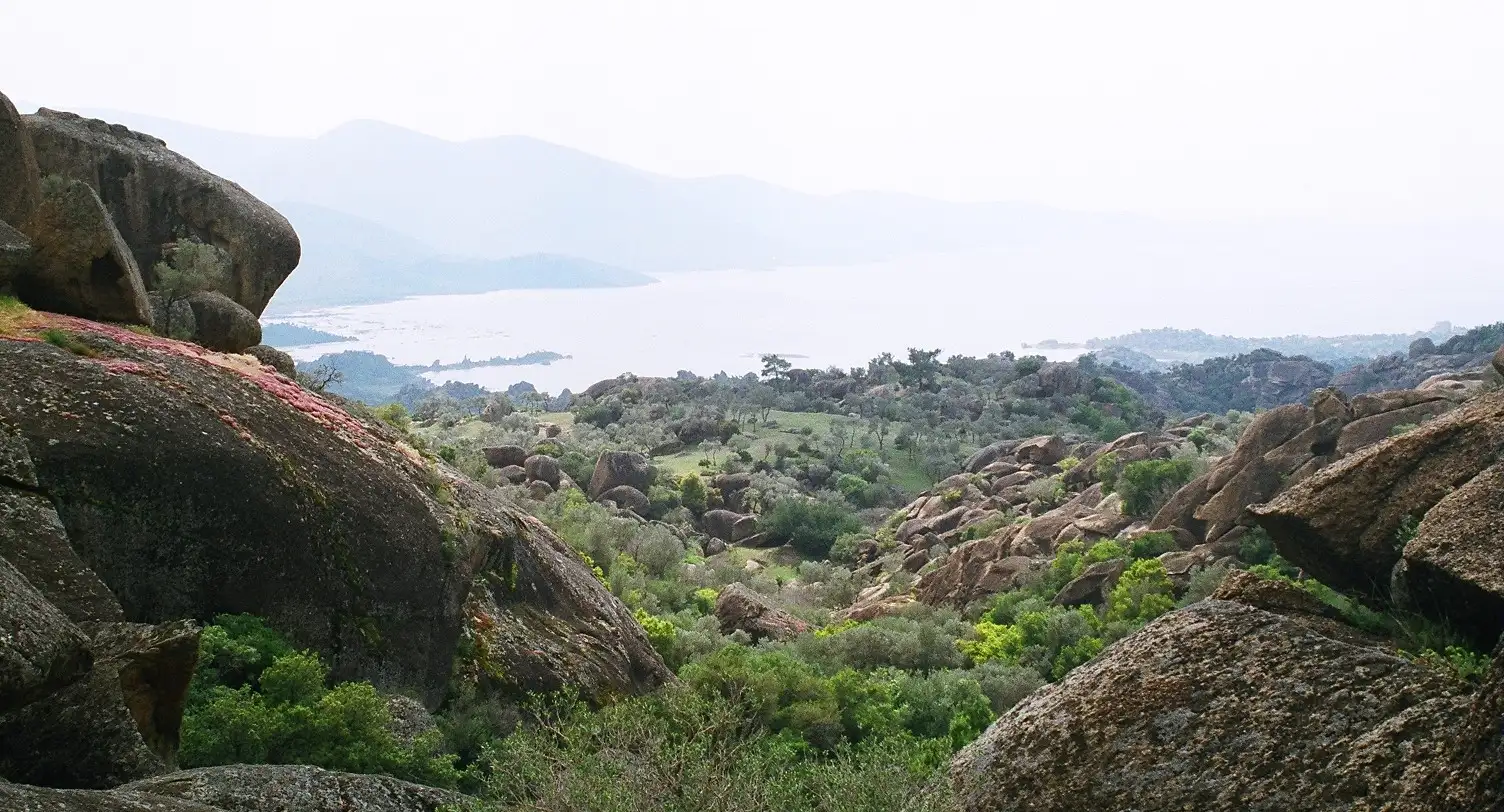
KHALKETOR (Karakuyu)
An ancient settlement founded at the foothills of Karakuyu Mountain, northwest of Milas, which became a member of the Attic-Delian League in the 5th century BC. Known for its strong defensive system with three different fortresses.
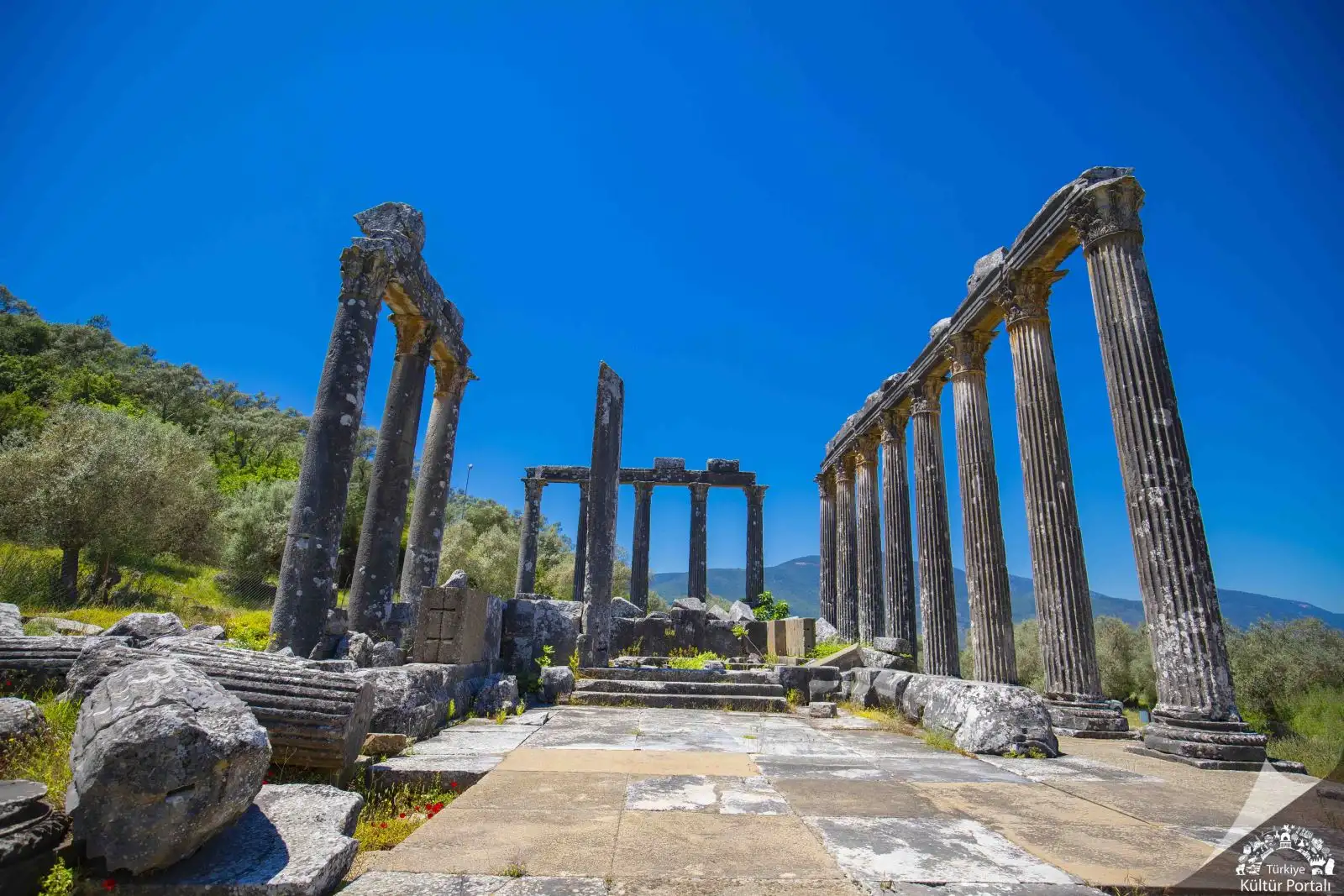
EUROMOS (Ayaklı)
An ancient city on the Milas-Selimiye road, locally known as "Ayaklı" due to its magnificent columns. Home to one of the best-preserved temples in Anatolia, dating from the Roman period.