BEÇIN (Pezona, Peçin, Barçın)
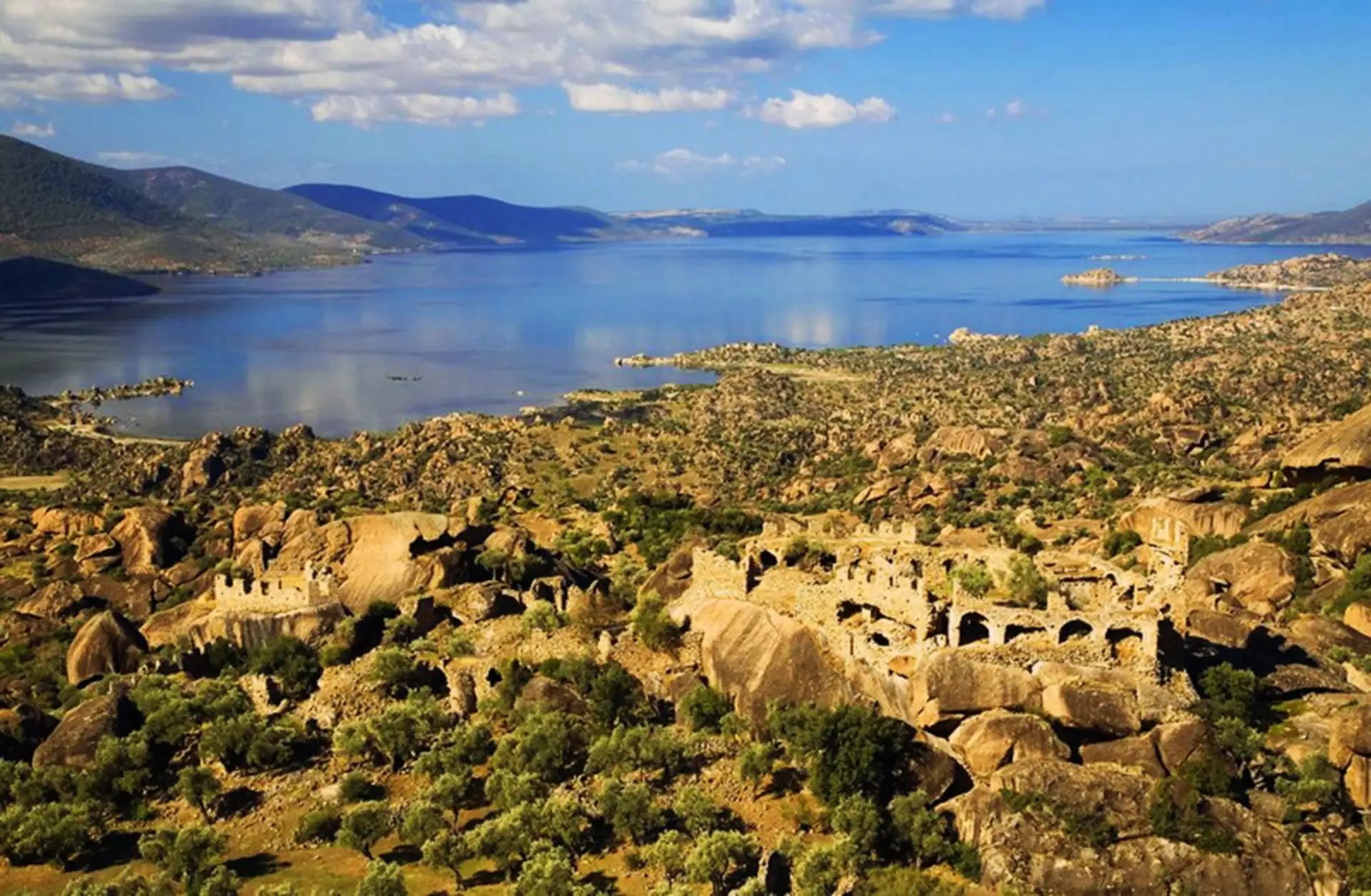
A historic settlement rising on a plateau overlooking the Milas Plain, with roots dating back to the Bronze Age. The ancient site served as the capital of the Menteşeoğulları Principality in the 13th century.
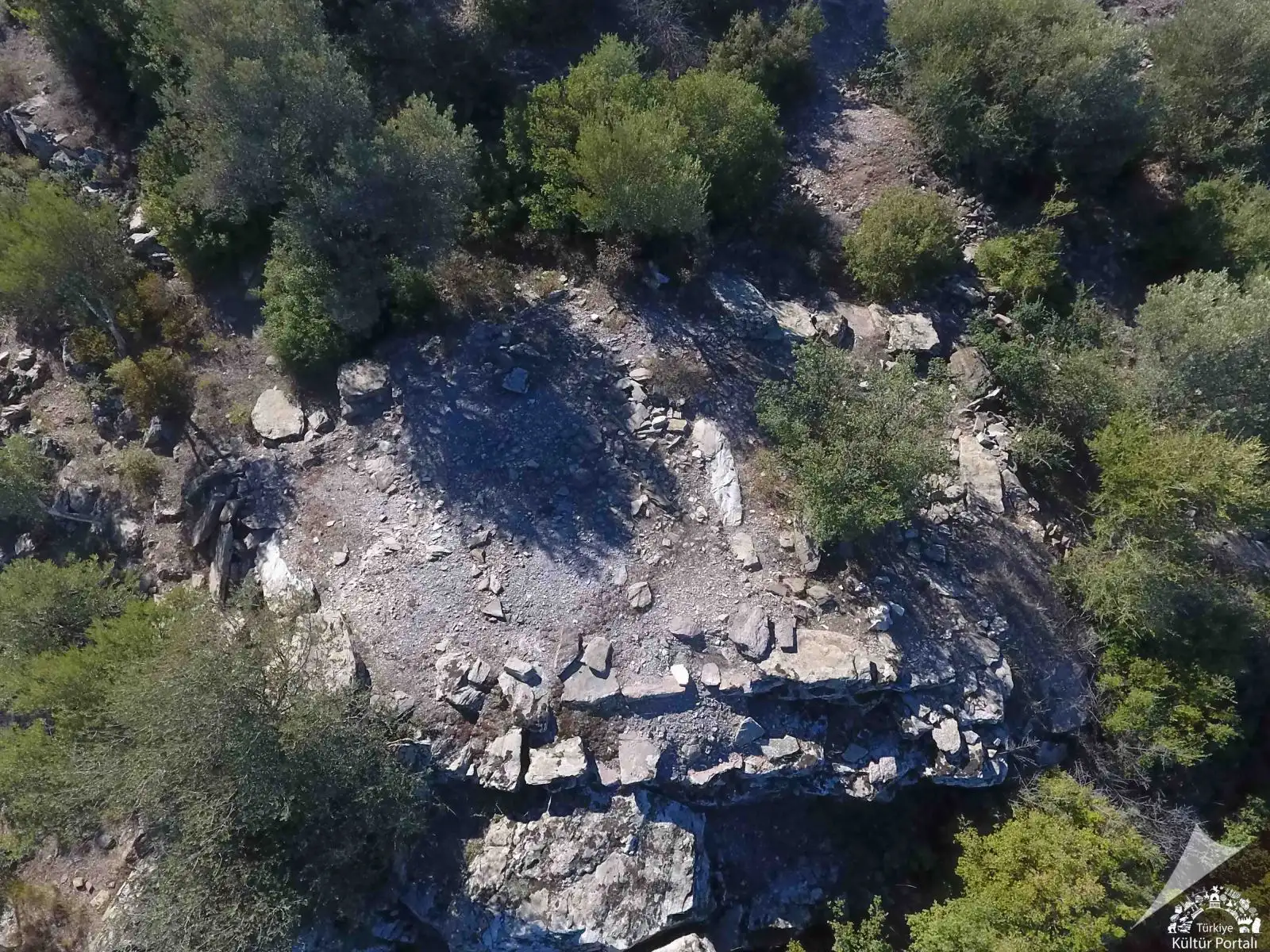
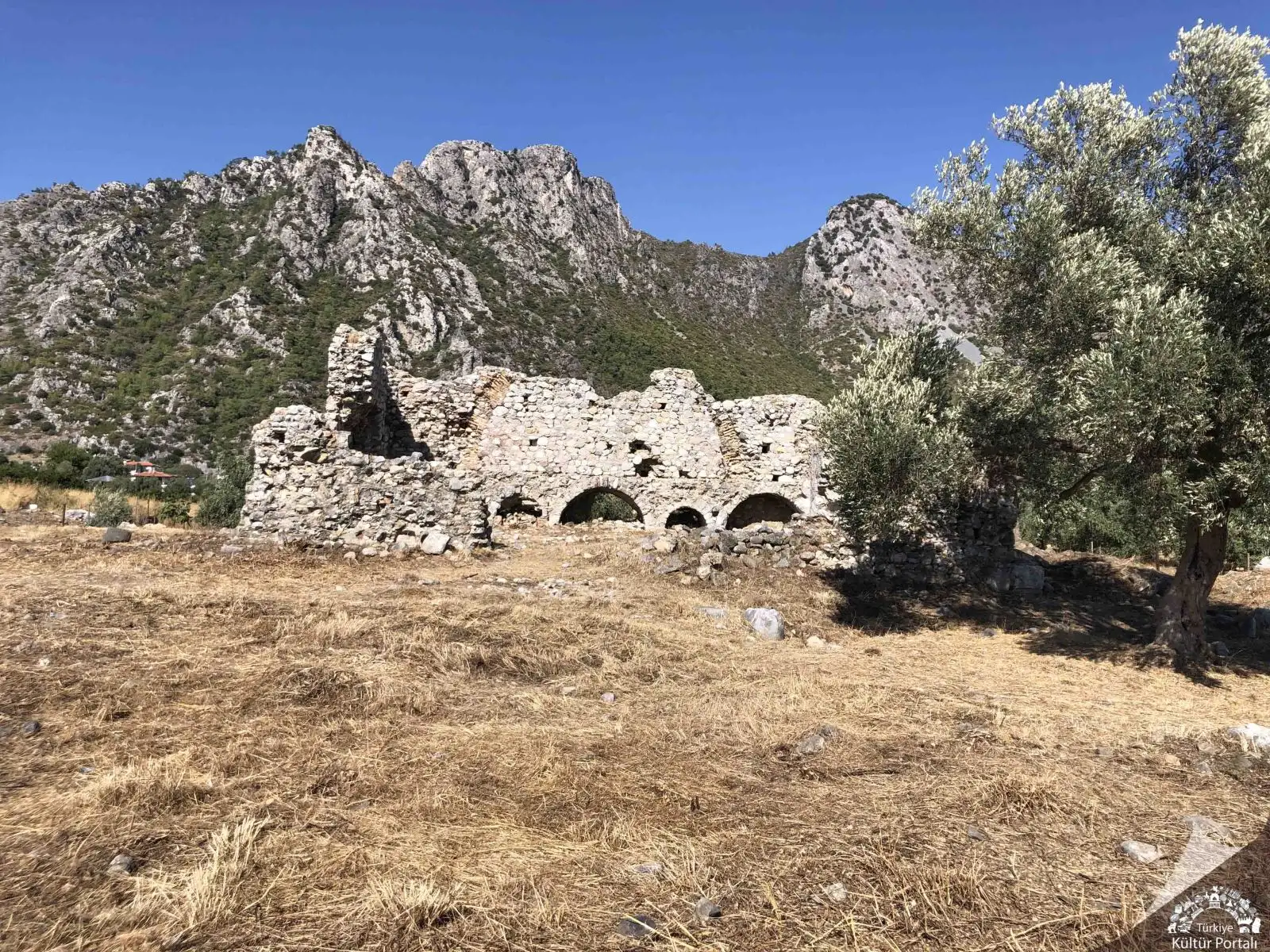
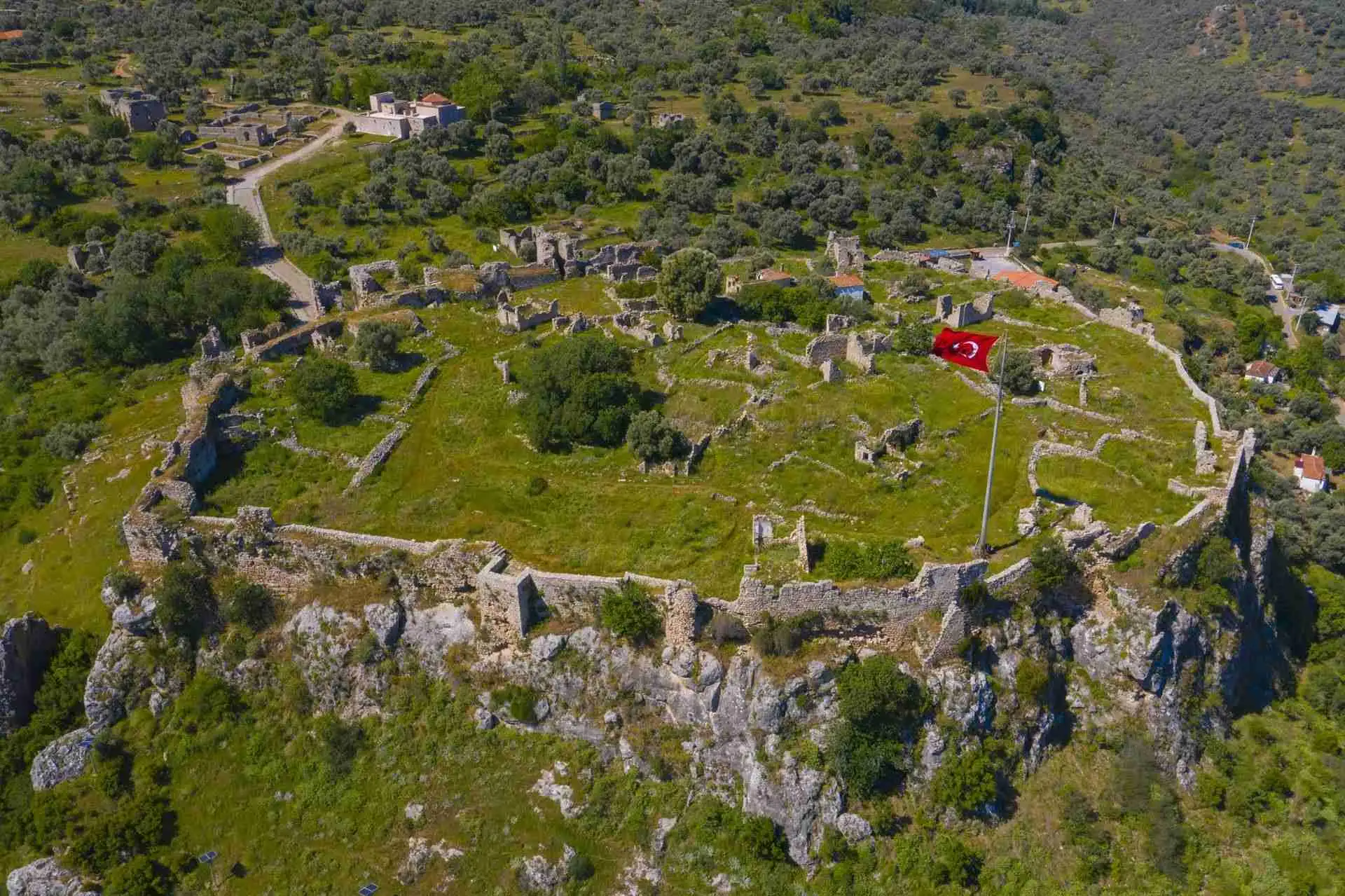
Beçin archaeological site is located on a plateau south of the city of Milas. In the northern part of the plateau facing the Milas Plain, on the rocky outcrop extending towards the plain, stands Beçin Castle. Outside the castle are the tomb and madrasa of Ahmet Gazi, one of the Menteşeoğulları Beys, along with many madrasa, bathhouse, mosque, inn, lodge, and tomb remains.
The name Beçin appears as "Pezona" in medieval Italian sources, "Barçın" in old Turkish and Islamic texts, and "Peçin" in more recent times.
Finds unearthed in a rescue excavation conducted by the Milas Museum Directorate in 2007 proved that Beçin's history dates back to the Bronze Age around 3000 BC. However, Beçin's history is believed to go back even further. It lost its importance with the development of Mylasa. At the end of the 13th century, it became the capital of the Menteşeoğulları Beylik that dominated the region and gradually developed. However, after coming under Ottoman rule, it gradually lost its importance, shrank, and became a small village of about 20 houses sheltering within the castle. In Evliya Çelebi's Seyahatname, it is described that Beçin was a village of 20 houses within the castle, the castle was being used as a prison, and there was a castellan and about 20 soldiers as guards in the castle.
Beçin Castle: Beçin Castle on the rocky outcrop extending towards the Milas Plain at the northern end of the Beçin plateau is thought to have been built during the Byzantine period on a temple or sacred area. Beçin Castle was repaired during the Menteşe Beylik period. Inside the castle are about 20 abandoned houses and a small Turkish bath. The only entrance to the castle, with steep cliffs on three sides, is through the southern gate. According to Evliya Çelebi, there was a moat ten fathoms deep in front of the gate and a drawbridge over this moat. However, it is not possible to see this moat today.
Ahmet Gazi Tomb and Madrasa: According to the inscription above its door, it was built in 1375 AD (Hijri: 777) by Menteşe Bey Ahmet Gazi. The madrasa consists of 10 rooms arranged on the east, south, and west sides of a square-planned central courtyard. The madrasa is entered through an impressive portal in the middle of the southern rooms. Directly opposite the main entrance, in the northern part, is the Gothic-style pointed arched and domed tomb of Ahmet Gazi. It is unknown to whom the second grave next to Ahmet Gazi's grave belongs. On both sides of the pointed arch of the tomb are lion reliefs carved from marble, each holding a triangular flag in their hands. Ahmet Gazi's name is written on one of these flags.
Ahmet Gazi, much loved by the people for his battles, conquests, and works such as mosques and madrasas, and given the title "Lord of the Shores," is still considered a saint today under the name "Beçin Dedesi" and his grave is accepted as a place of pilgrimage.
In Beçin, there are also many other works such as Kızılhan, Karapaşa Madrasa, Yelli Mosque, Orhan Bey Mosque, Emir Courtyard, bathhouses, inns, madrasas, tombs, and lodges of various sizes.
Our Historical Cities (15)
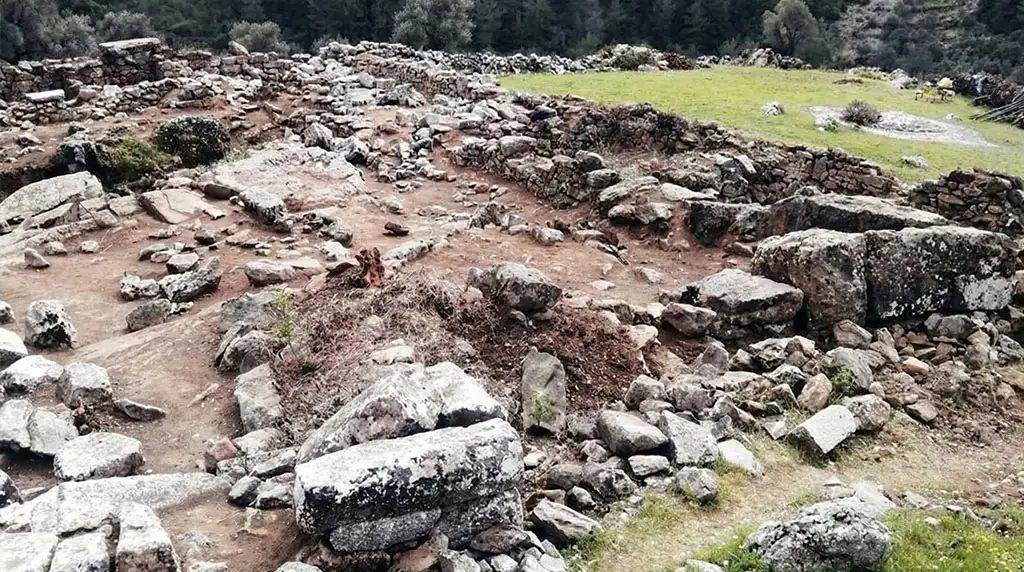
SINURI
A sanctuary built with red marble blocks in the Kalınağıl village of Milas, dedicated to the Carian god Sinuri. An important center of faith since the 4th century BC.
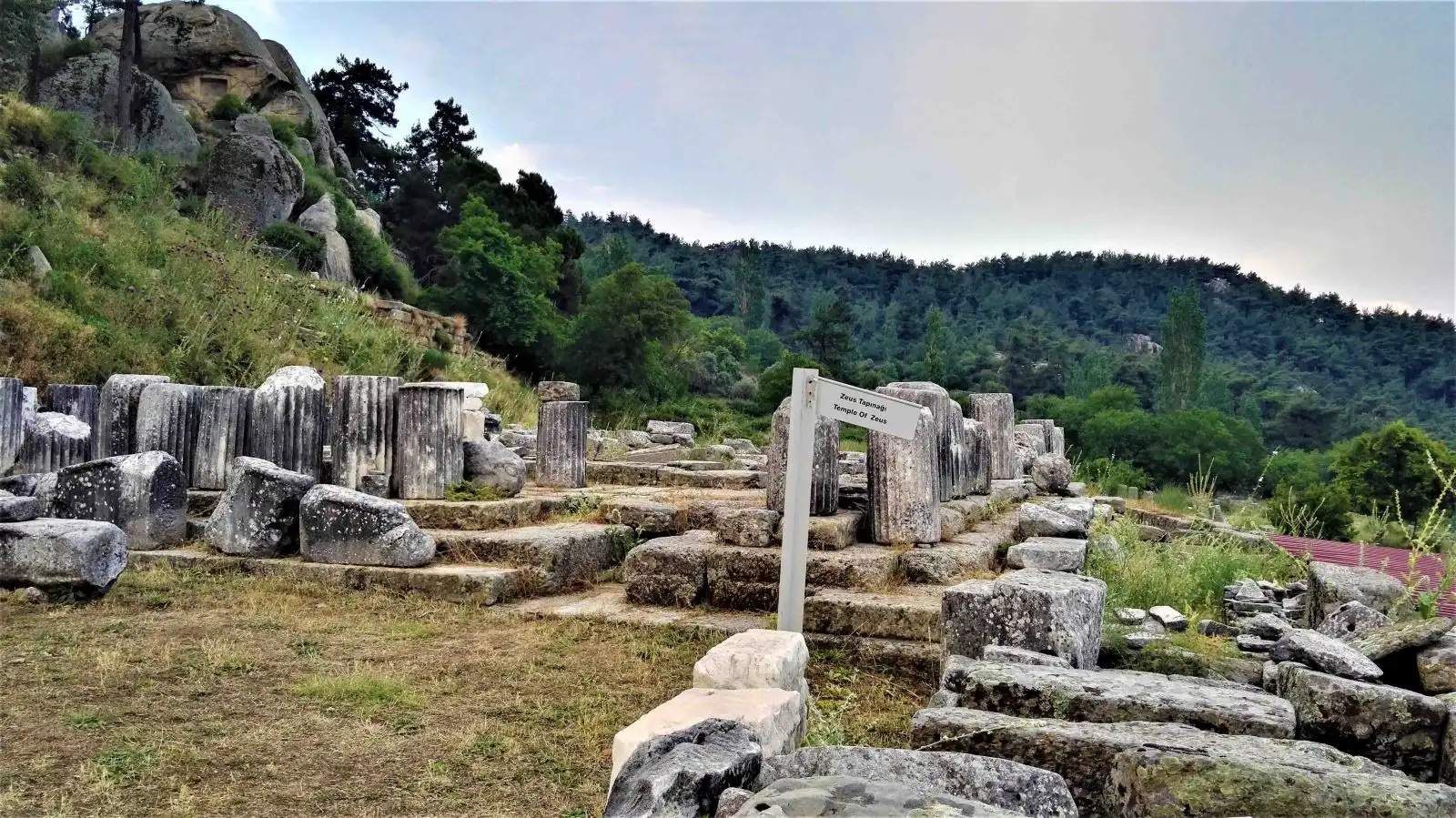
LABRANDA
The most important pilgrimage center of Carian civilization, situated in the mountains north of Milas among pine forests and water sources. Named after the double-headed axe (Labris) motif, connected to Mylasa by the "Sacred Road".

OLYMOS (Kafaca)
An ancient settlement located northwest of Milas, near Kafaca village. The city lost its independence in the 2nd century BC when it merged with Mylasa, known for its temples dedicated to Apollo and Artemisia.
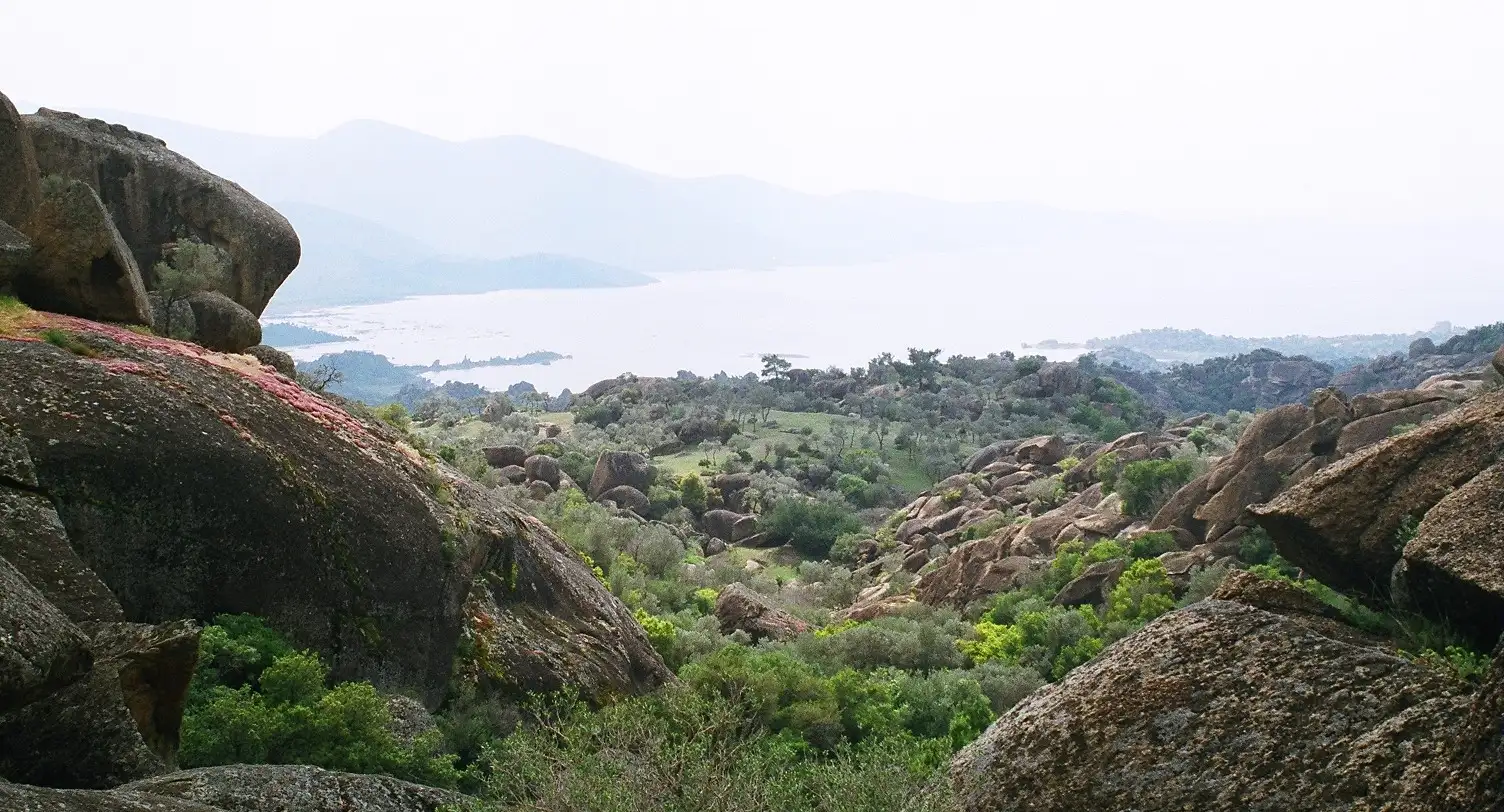
KHALKETOR (Karakuyu)
An ancient settlement founded at the foothills of Karakuyu Mountain, northwest of Milas, which became a member of the Attic-Delian League in the 5th century BC. Known for its strong defensive system with three different fortresses.
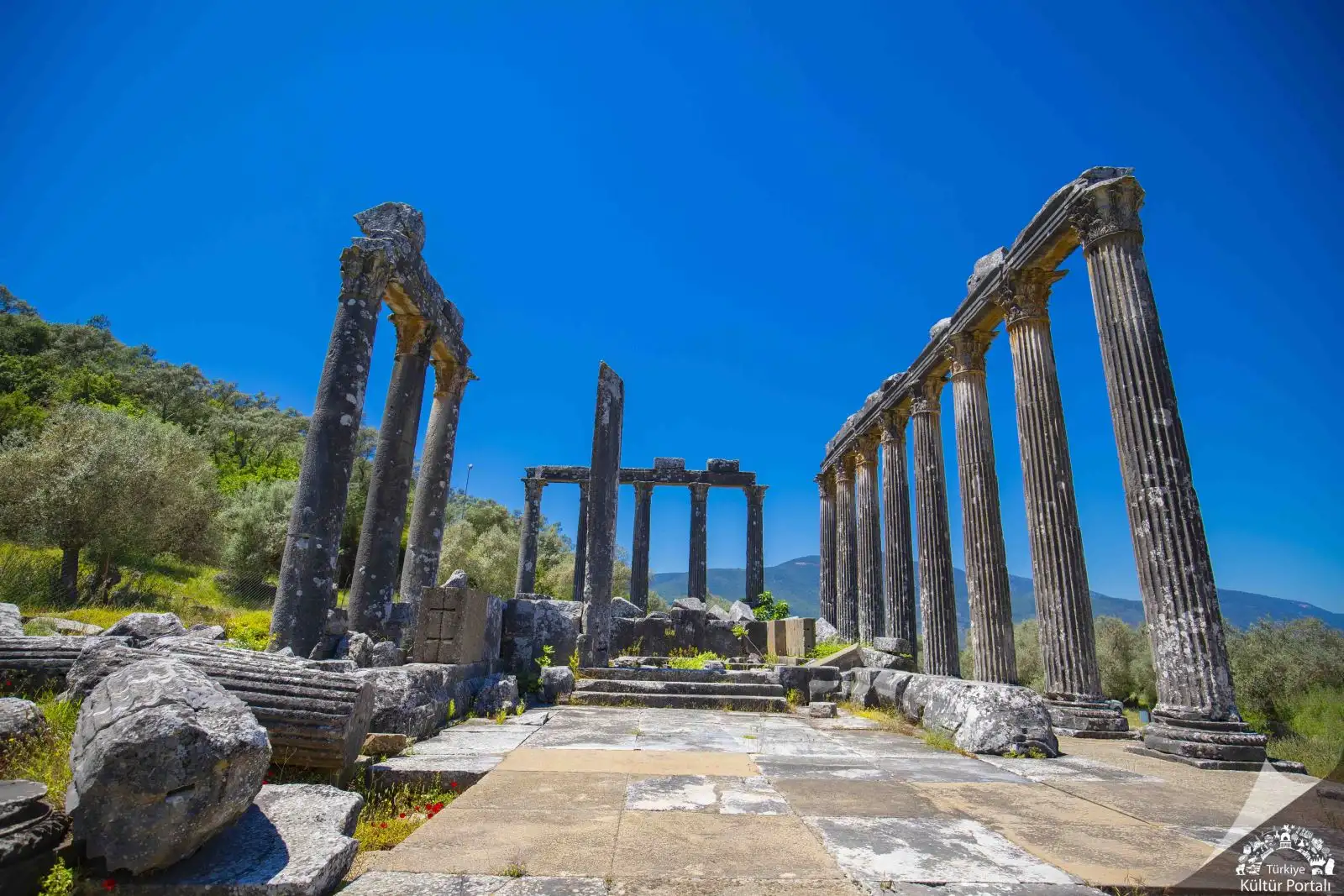
EUROMOS (Ayaklı)
An ancient city on the Milas-Selimiye road, locally known as "Ayaklı" due to its magnificent columns. Home to one of the best-preserved temples in Anatolia, dating from the Roman period.