
Our Historical Cities
Ancient cities and archaeological sites around Milas
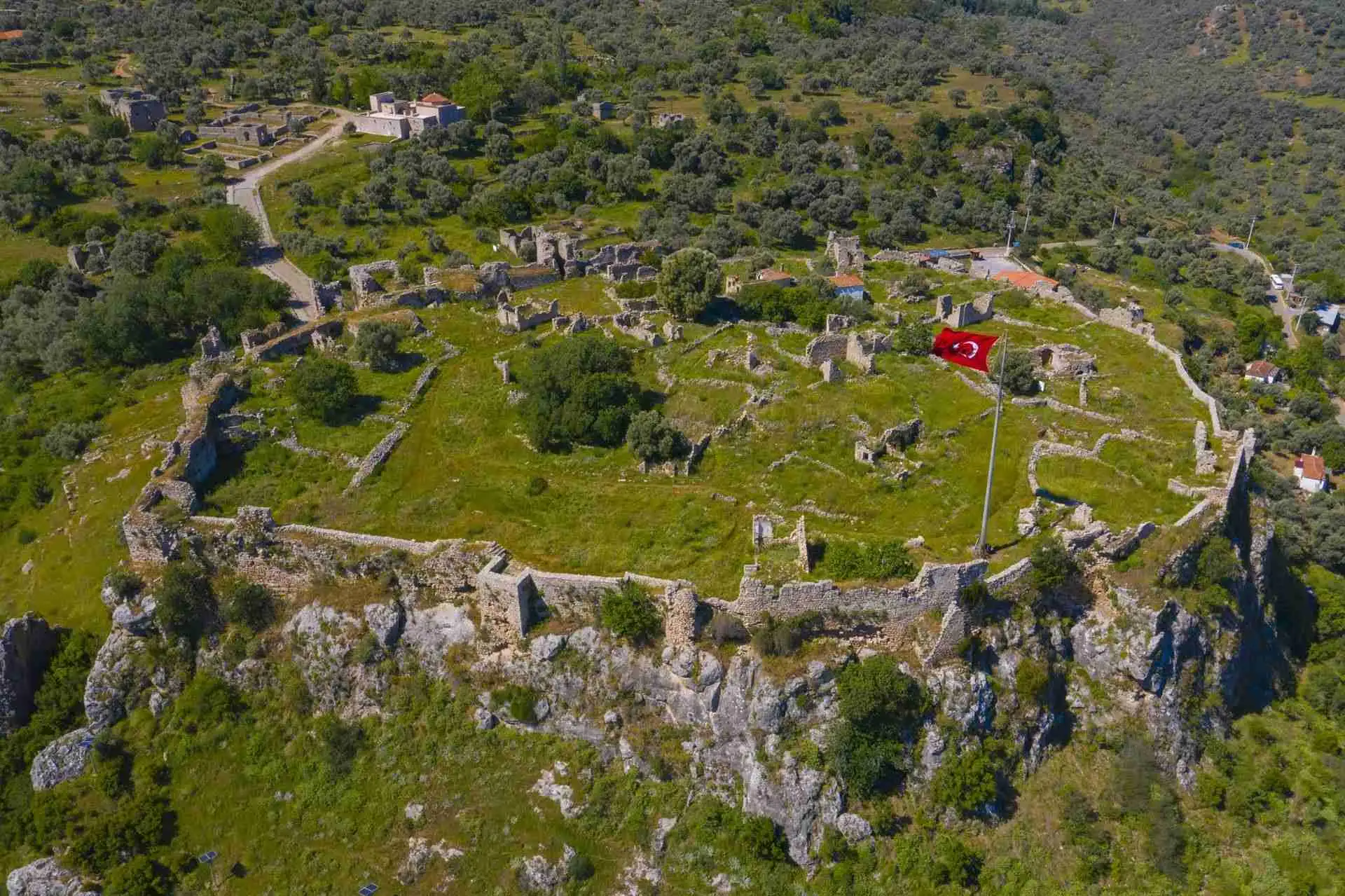
BEÇIN (Pezona, Peçin, Barçın)
A historic settlement rising on a plateau overlooking the Milas Plain, with roots dating back to the Bronze Age. The ancient site served as the capital of the Menteşeoğulları Principality in the 13th century.
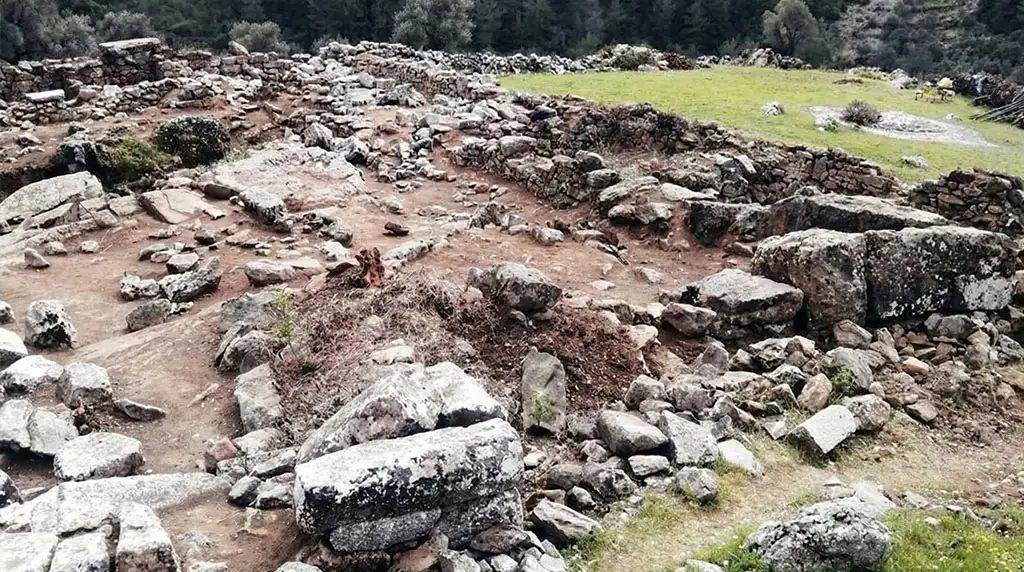
SINURI
A sanctuary built with red marble blocks in the Kalınağıl village of Milas, dedicated to the Carian god Sinuri. An important center of faith since the 4th century BC.
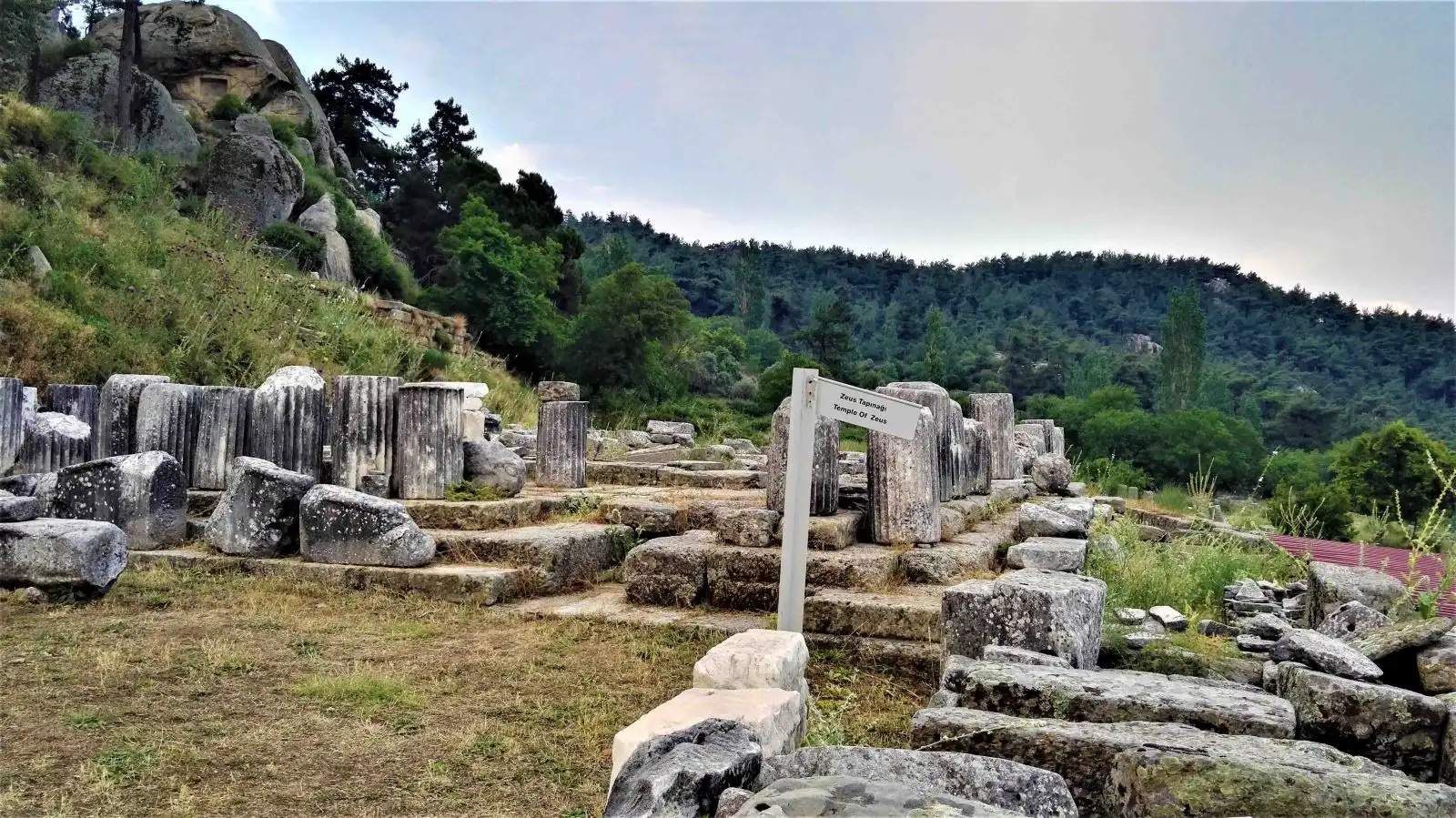
LABRANDA
The most important pilgrimage center of Carian civilization, situated in the mountains north of Milas among pine forests and water sources. Named after the double-headed axe (Labris) motif, connected to Mylasa by the "Sacred Road".
OLYMOS (Kafaca)
An ancient settlement located northwest of Milas, near Kafaca village. The city lost its independence in the 2nd century BC when it merged with Mylasa, known for its temples dedicated to Apollo and Artemisia.
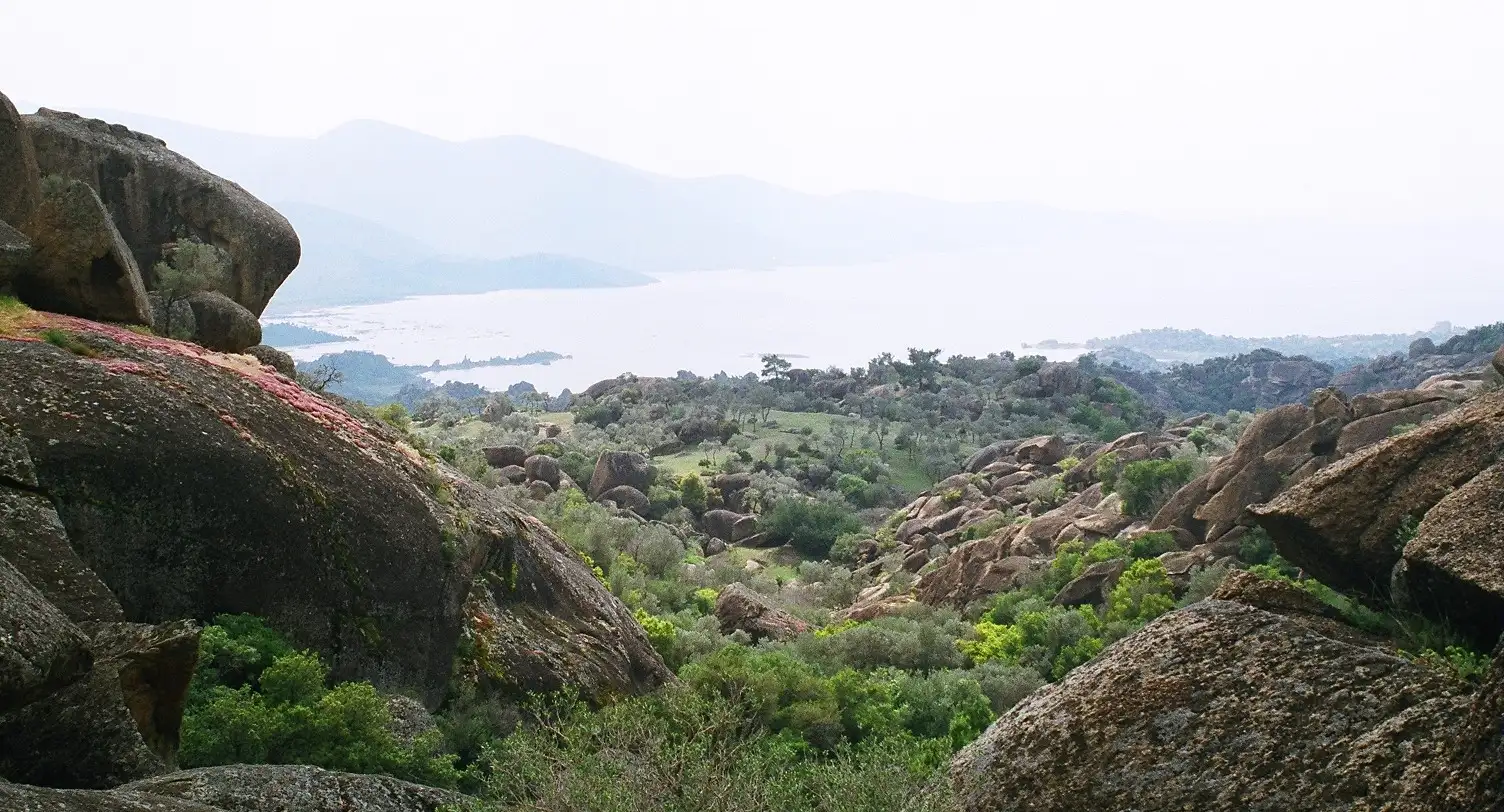
KHALKETOR (Karakuyu)
An ancient settlement founded at the foothills of Karakuyu Mountain, northwest of Milas, which became a member of the Attic-Delian League in the 5th century BC. Known for its strong defensive system with three different fortresses.
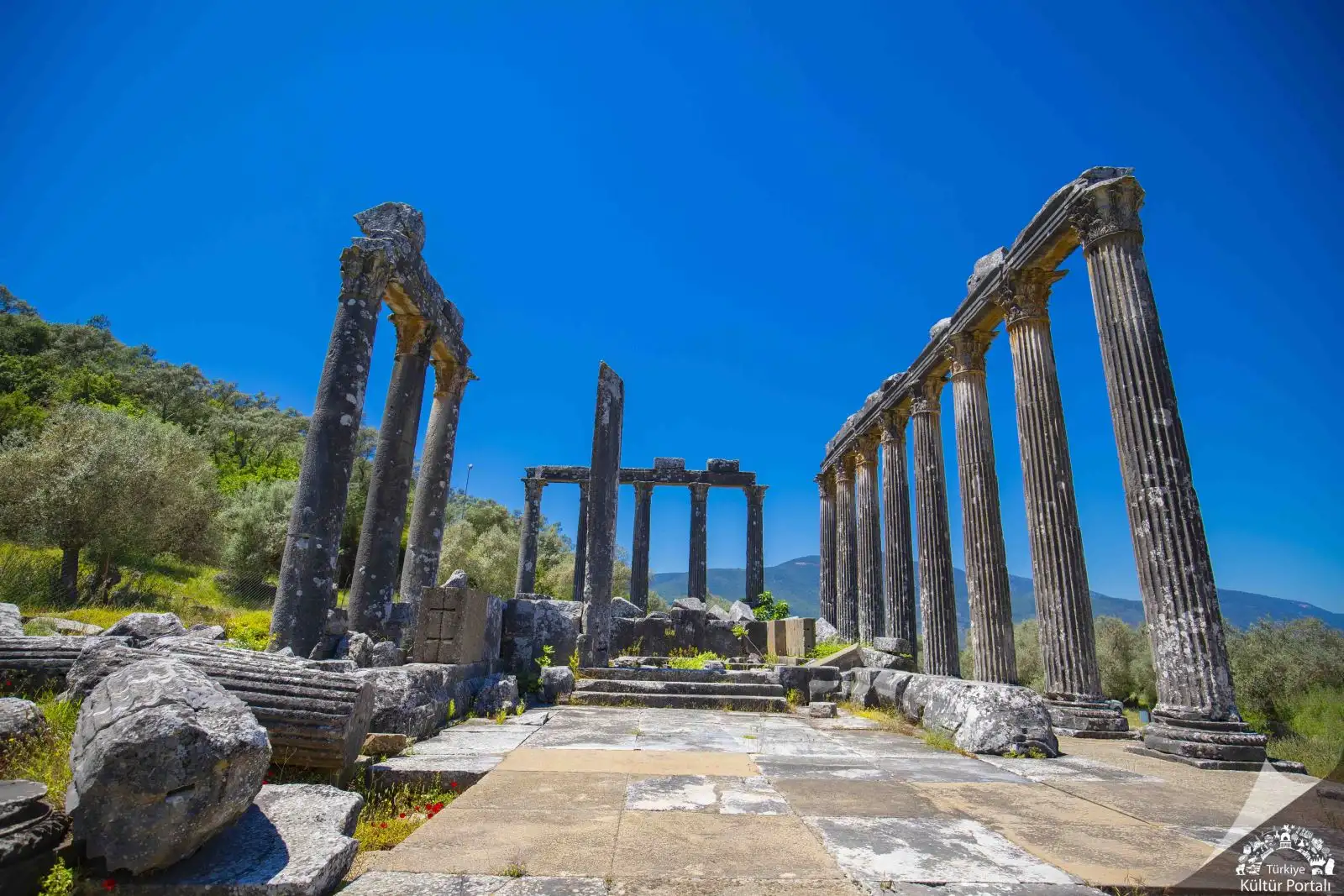
EUROMOS (Ayaklı)
An ancient city on the Milas-Selimiye road, locally known as "Ayaklı" due to its magnificent columns. Home to one of the best-preserved temples in Anatolia, dating from the Roman period.
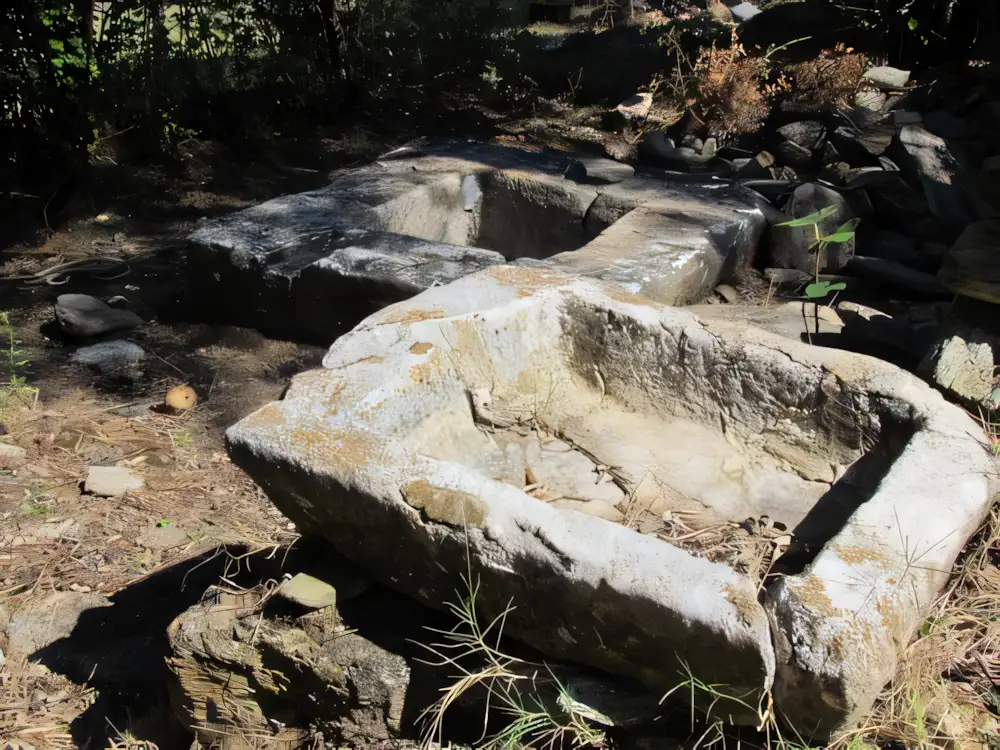
PIDASA
A small Carian city founded at the foothills of Ilbıra (Gorion) Mountain between Milas and Bafa. The settlement emerged in history through its role in the Ionian Revolt.
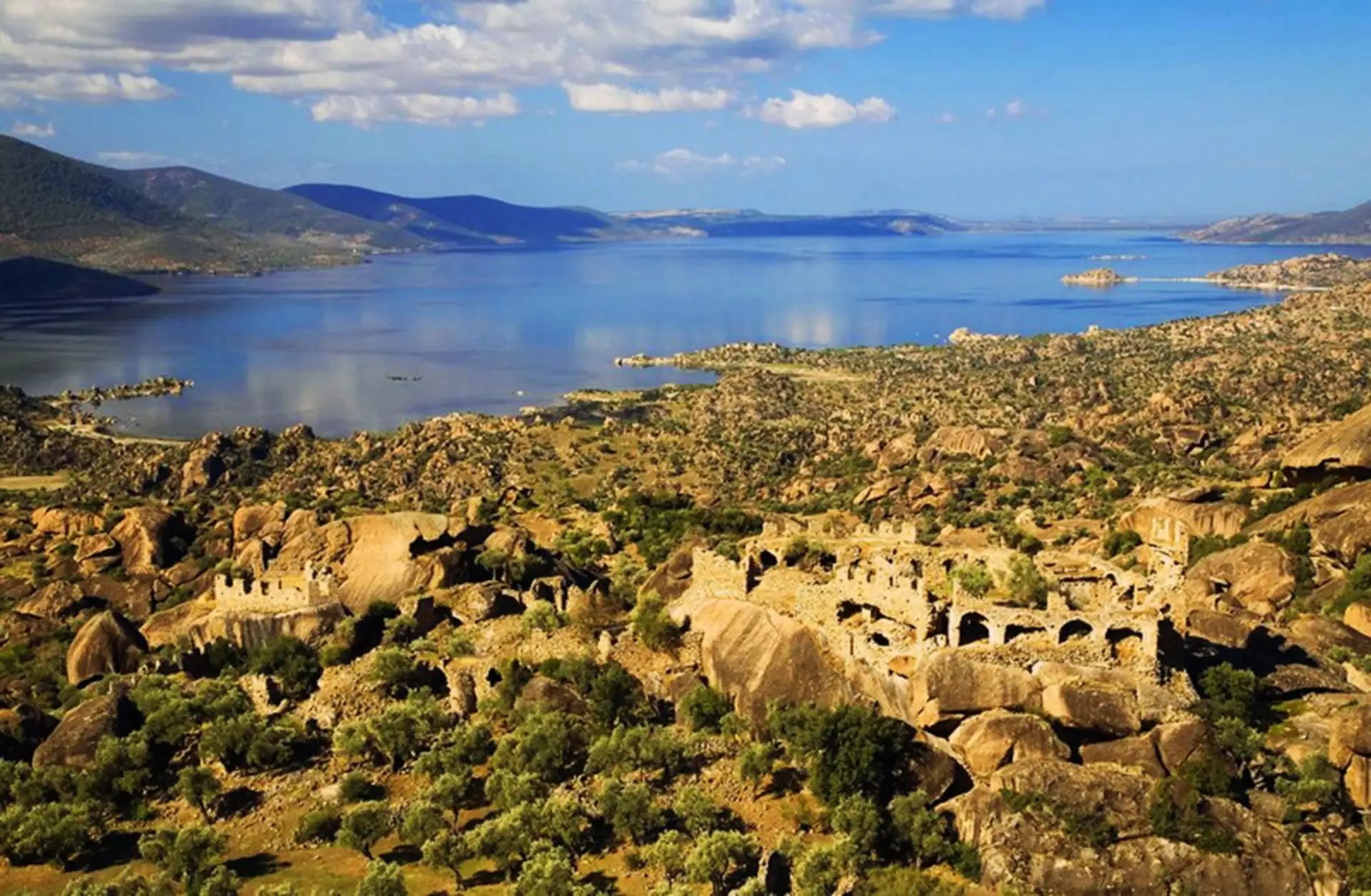
LATMOS – HERAKLEIA (Kapıkırı)
An ancient settlement on the shore of Lake Bafa (former Latmos Gulf), intertwined with the rugged cliffs of the Beşparmak Mountains. Its history extends from prehistoric rock paintings to the legendary myth of the shepherd Endymion.
HYDAI (Damlıboğaz)
An ancient city founded at the foothills of Karaoğlan Mountain, in present-day Damlıboğaz village, named after the Greek word for water (hydor). Known for its location by the Sarı Stream and temples dedicated to Apollo and Artemis.
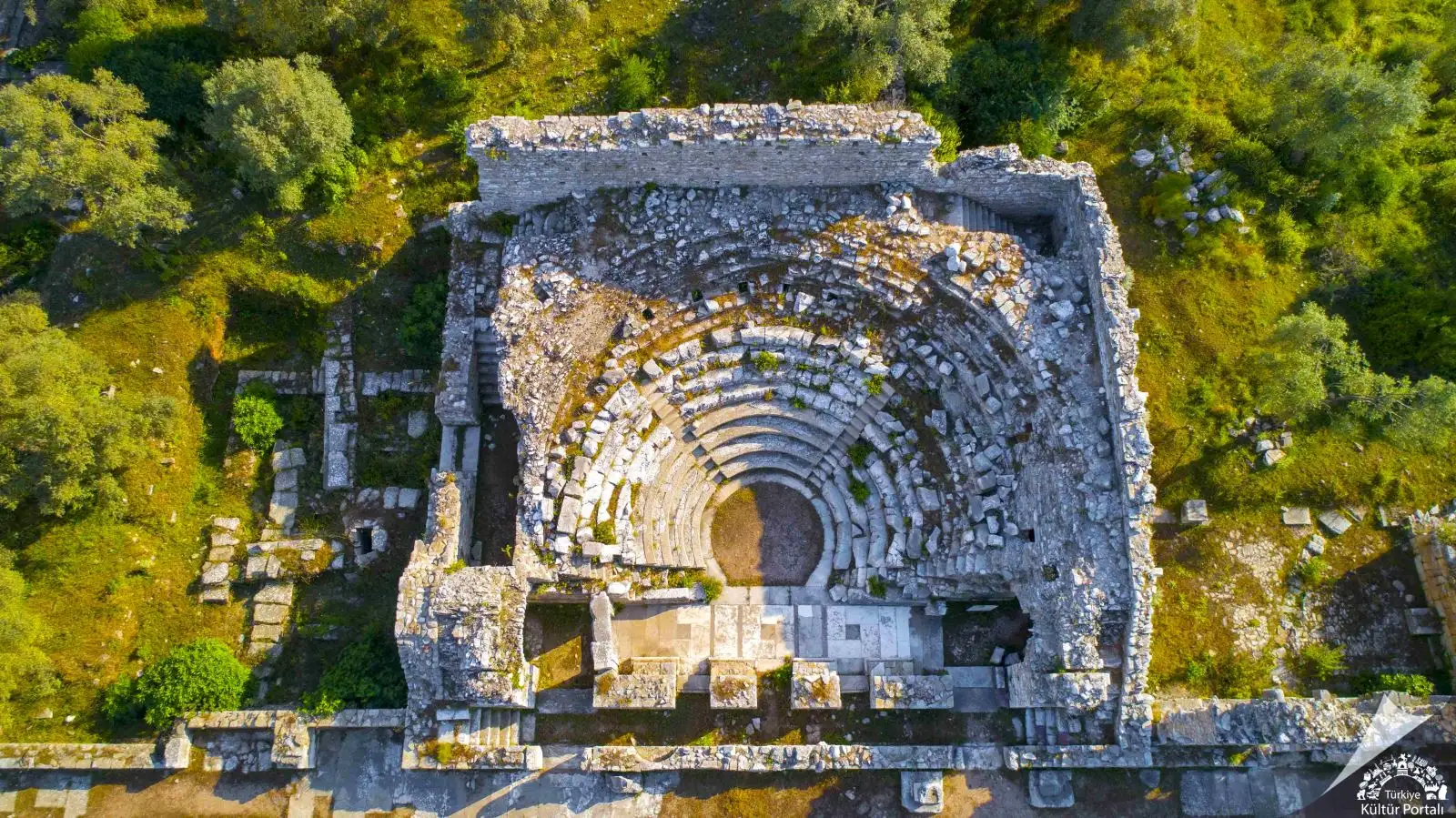
IASOS (Kıyıkışlacık)
A historic ancient city that was once an island but later became a peninsula, enriched through fishing and maritime trade. Founded by Argive immigrants, Iasos is known for its theater, agora complex, and public bathhouse.
PASSALA
Passala was the gateway from Mylasa to the sea at its closest point. Located on the eastern shore of the Güllük fish weir, featuring a square-planned watchtower built with roughly hewn marble blocks and loophole-style windows.
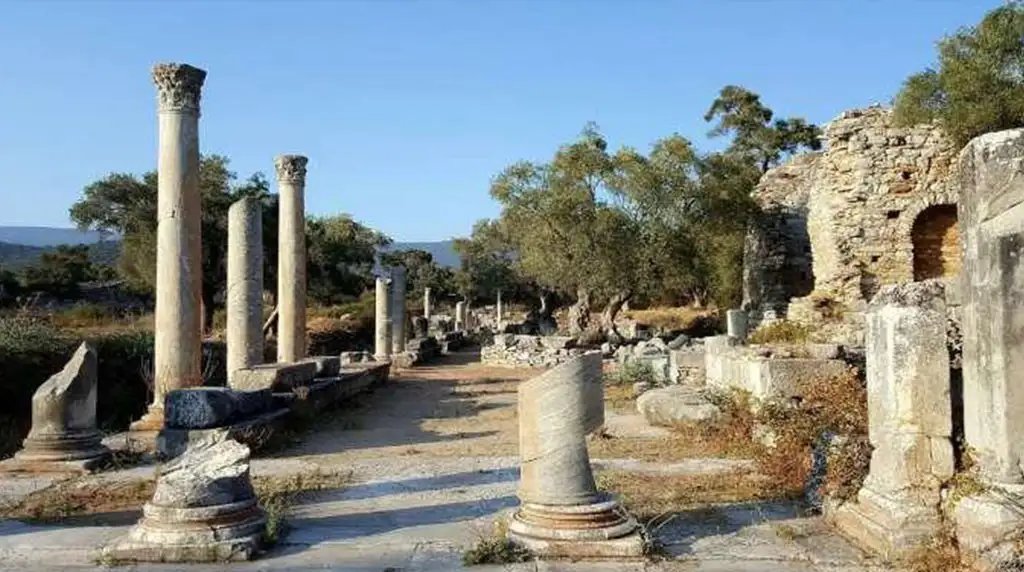
BARGYLIA
An ancient city located in a hidden position by the sea, on the shore of a lagoon in the Güllük (Mandalya) Gulf. Named after Bargylus, the friend killed by the winged horse Pegasus of the mythological hero Bellerophon.
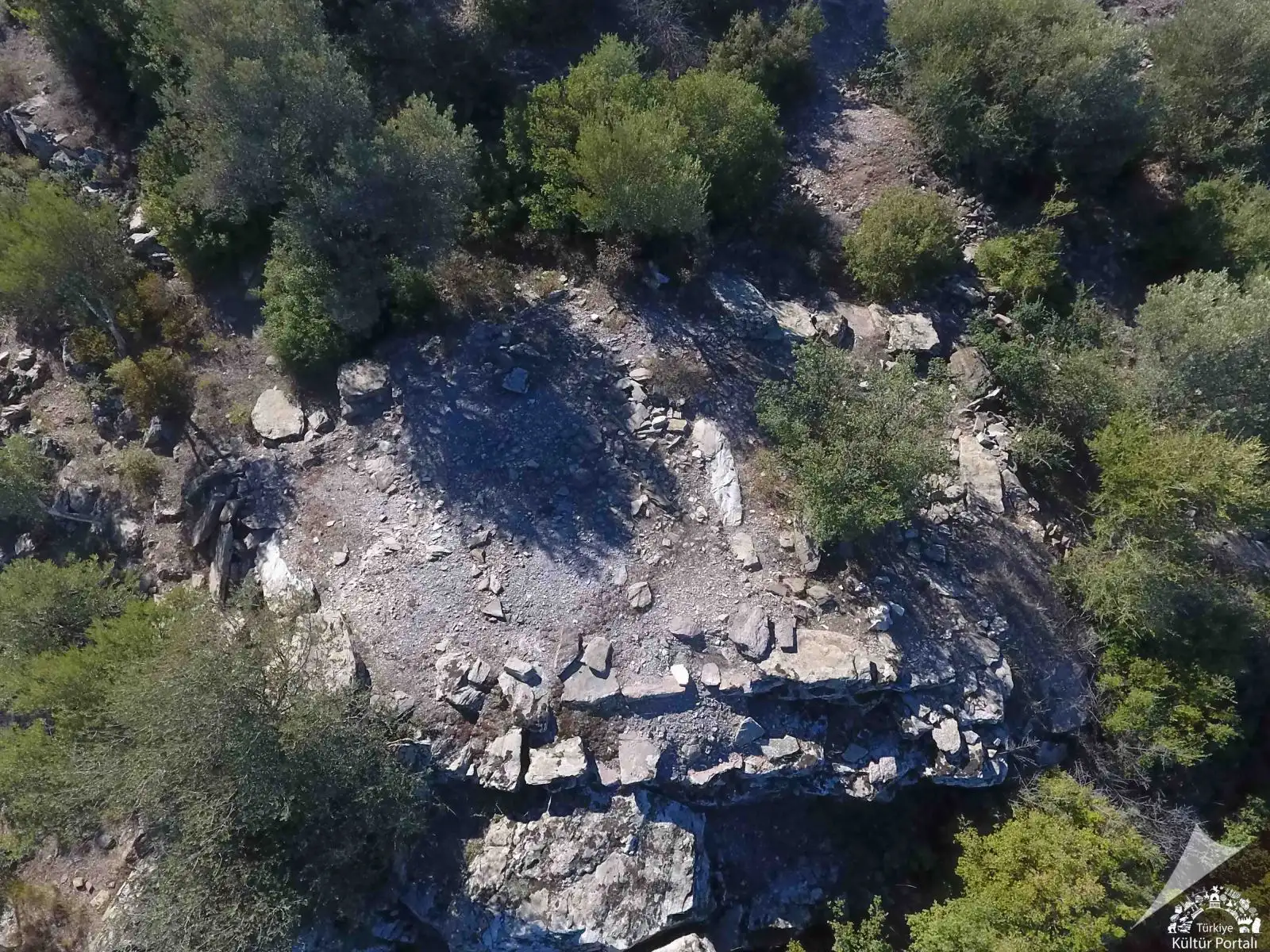
KINDYA
An ancient settlement near Kemikler village on Mount Kale, home to the temple of Artemis Kindyas, the chief goddess of Bargylia. One of the powerful cities in the region during the 5th century BC.
KILDARA (Kuzyaka)
A small ancient city between Bargylia and Hydisos, near present-day Kuzyaka village, which became a member of the Attic-Delian League in the 5th century BC. No above-ground remains survive from the city center today.
HYDISOS (Karacahisar)
An ancient settlement positioned on a twin-peaked hill east of Karacahisar village, whose chief deity was Zeus Areios, the "God of War". A member of the Attic-Delian League.
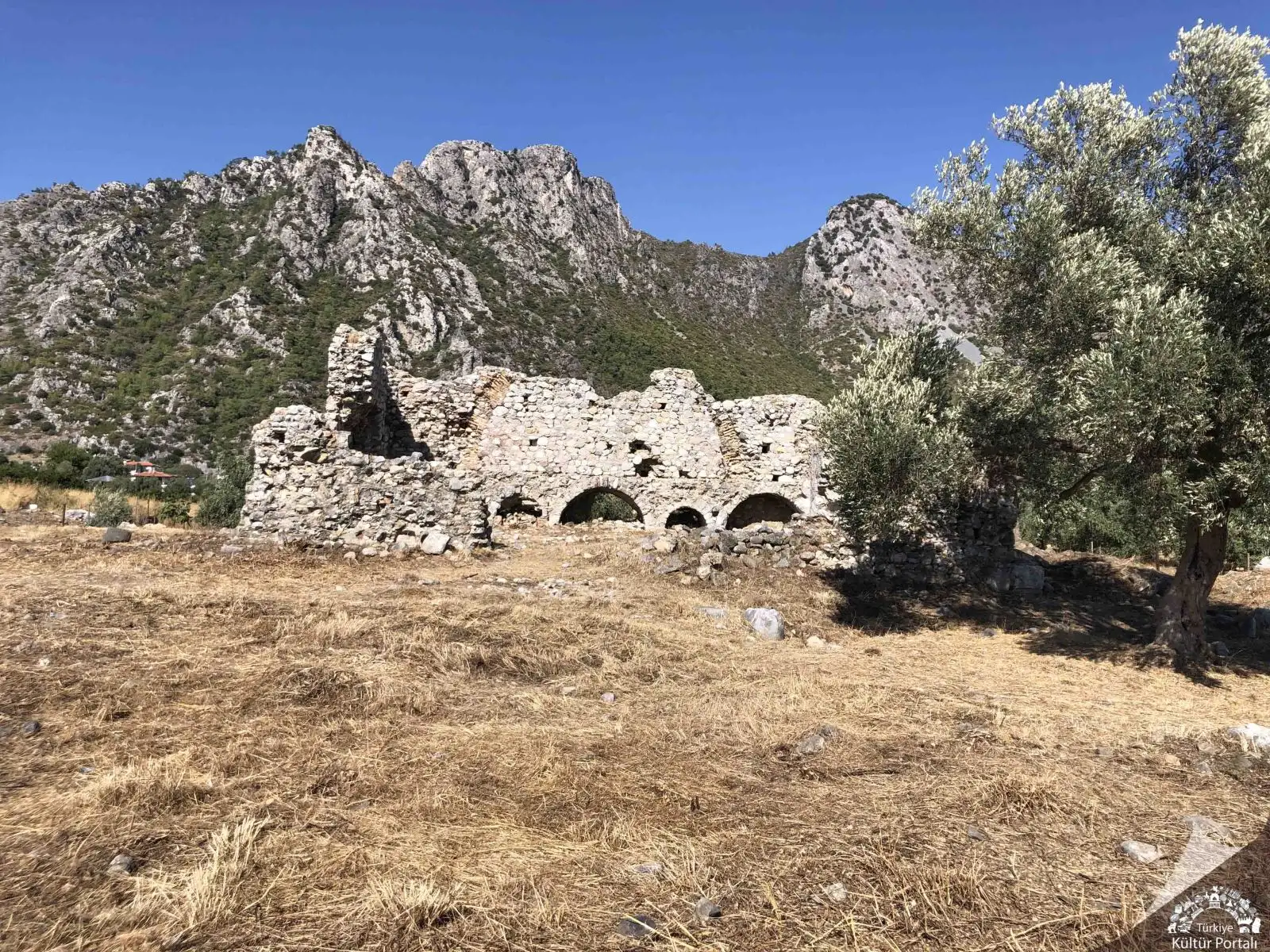
KERAMOS (Ören)
An ancient city on the northern shore of Gökova (Kerme) Gulf, in present-day Ören district, which gave the gulf its name. Known for its walls built with polygonal stones at the foothills of Meşekayası Mountain.

